Thanks to advances in research and treatment, more children are surviving cancer than ever before. But an important problem remains. Many conventional treatments that kill cancer cells also damage healthy cells, leaving many children with serious long-term health effects, including organ damage, impaired fertility and a high risk of second cancers.
Children are not small adults. The biological changes that drive their cancers often differ from those in adults, yet most childhood cancer drugs were originally developed for adult cancers.
There is a clear need for new treatments designed for children. However, developing a new medicine is extremely expensive, complex and risky. Because childhood cancers are rare, there is very little commercial incentive for pharmaceutical companies to develop drugs for children. As a result, promising research can struggle to progress beyond the laboratory.
What is THINK?
THINK stands for THerapeutic INnovations for Kids. It is a drug discovery program at Children’s Cancer Institute focused on turning our understanding of childhood cancer biology into potential new treatments.
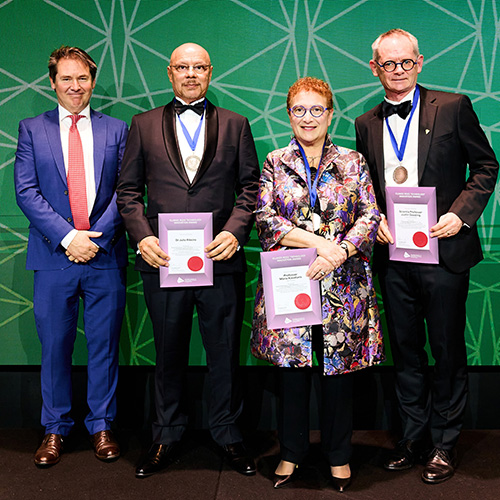
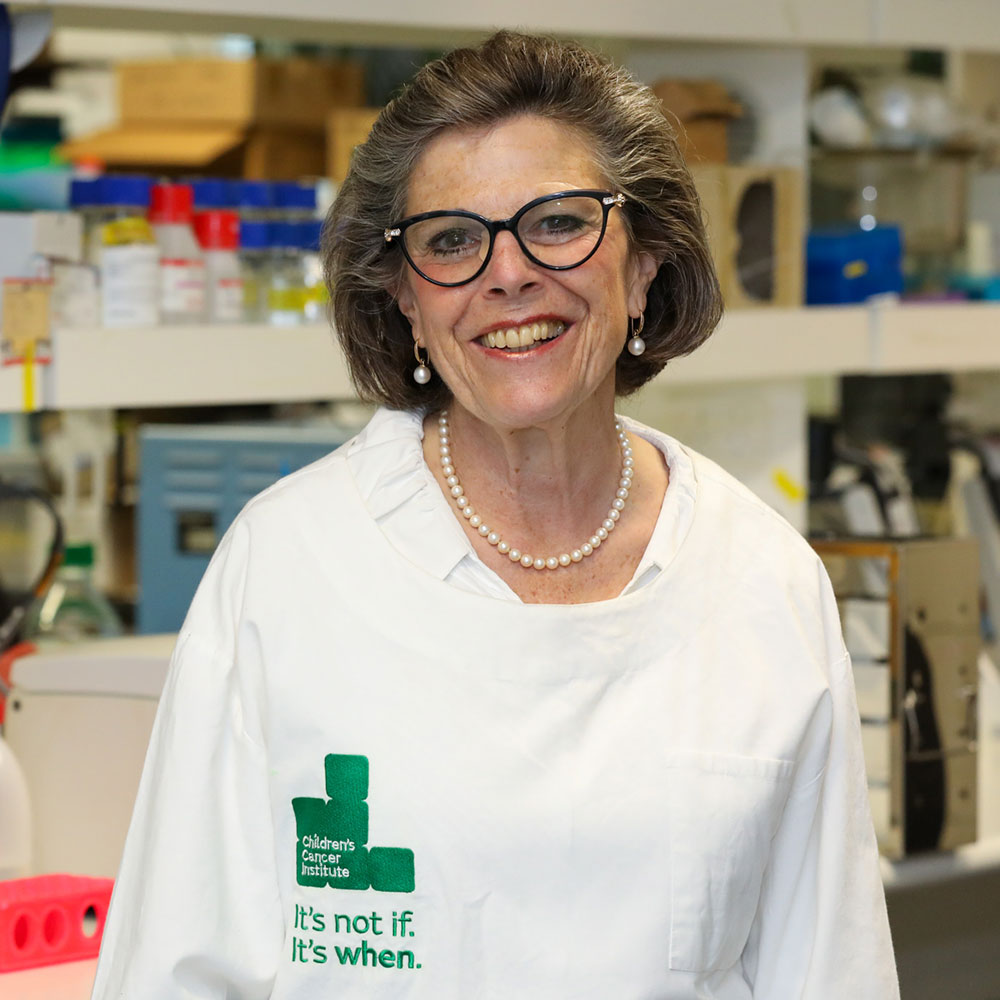
The idea began with a conversation between former Executive Director of Children’s Cancer Institute, Professor Michelle Haber, and Professor Ian Street, a drug discovery scientist with more than 30 years of drug development experience. Prof Street subsequently came out of retirement to help establish THINK, and in 2022, Associate Professor Antoine de Weck joined THINK to lead the program alongside him.
From understanding a cancer to targeting it
Through the Zero Childhood Cancer Program (ZERO), co-led by Children’s Cancer Institute and Sydney Children’s Hospital, Randwick, researchers are studying childhood cancers at the molecular level and revealing the genetic changes that may be helping them grow. These genetic changes represent potential ‘targets’ for treatment. But identifying what drives a cancer and having a medicine to target it are very different things. Around 1,200 genes have been implicated in cancer, yet approved targeted drugs directly address only about 60.
This is the gap THINK is designed to help bridge. The program aims to take discoveries about cancer targets and progress them towards potential new drugs ready for clinical development. A portfolio of projects is already moving through this process.
Using tumour samples from children enrolled on ZERO, cancer cells can be grown in the laboratory and used to test potential new treatment drugs, giving researchers models that closely reflect the cancers children have today.
A different approach to drug discovery
Many potential drugs fail during development, so THINK pursues multiple projects in parallel. Each must generate enough evidence to justify progressing to the next stage. Discovering early that an approach is unlikely to succeed lets researchers turn their focus to stronger possibilities.
THINK is first and foremost a paediatric-first program: it is a need in childhood cancer that draws the team to focus on a particular target. Initially, however, the program is prioritising some targets that may also be relevant to adult cancers since this could make drug development commercially viable and allow returns to be reinvested in childhood-cancer-specific opportunities.
The ultimate goal
THINK is about more than developing new drugs. It is about changing what a cancer diagnosis could mean for a child across their entire lifetime.
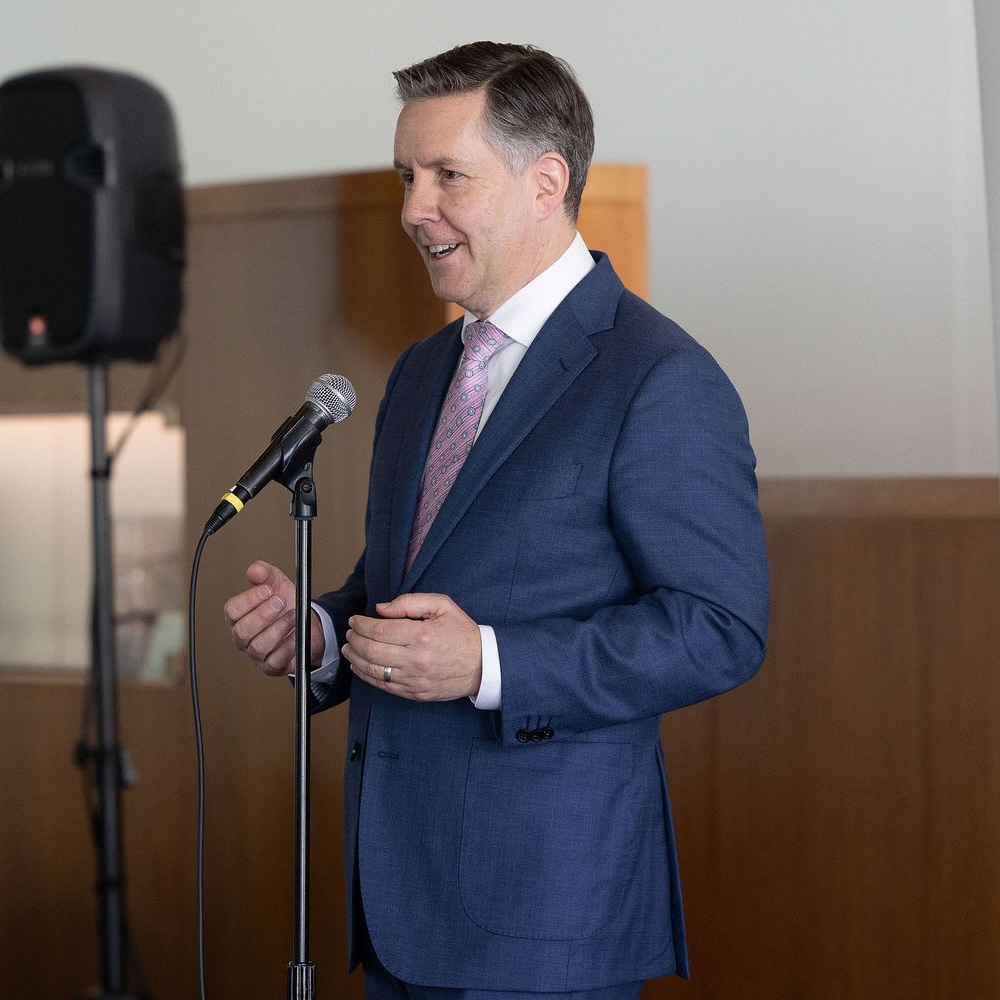
For Antoine de Weck, that means considering not only lives lost to childhood cancer, but the years survivors may live with the long-term effects of treatment. The ambition is to develop treatments based on the biology of the cancers children actually have.
It is a significant scientific challenge, and not every idea will work. But every well-tested idea brings us closer to better treatments.
Because for children diagnosed with cancer, the goal is not simply more years of life.
It is more healthy years of life.
Hear more about THINK
Antoine de Weck discusses THINK, the economics of childhood cancer drug discovery, and his journey from physics to cancer research on the New Horizons podcast.
Listen to Antoine de Weck on the New Horizons podcast: https://www.newhorizonspod.com/episodes/f16ba27a-e9bb-45fc-b6aa-15008987fef6/