Our Early Years
Our story began in 1975, when the parents of two children with leukaemia, 6-year-old Helen Kasses and 2-year-old Robbie Lough, met in the waiting room at Sydney Children’s Hospital (then the Prince of Wales Children’s Hospital) … Read more
Like most other parents in their situation, Jack & Annette Kasses and John & Margaret Lough knew next to nothing about childhood cancer. They soon learned the devastating statistics: hundreds of Australian children were being diagnosed every year, and only about half survived.
At the time, the only place where children could receive treatment for cancer was in an old demountable (converted military hut) at the back of the Prince of Wales Hospital. And while it was clear that the doctors were doing all they could to cure the children in their care, it seemed that very little was being done in the way of research into childhood cancer, anywhere in the country.
“In those days, it was a very dark and unknown world. Very little was known about childhood cancer. Most children died.”
– Jack Kasses, Institute founder
Making matters worse for many families was that there was no accommodation or financial assistance for those who needed to travel from country areas of NSW, or interstate, to the treatment centre in Sydney. Tragically, some parents felt they had no choice but to take their child home to die. Jack Kasses, and social worker at the hospital, Margaret French, vowed to do something about this dire situation.
“It was a very different world back then. There was no Ronald McDonald House - there was nowhere families could stay.”
- Margaret French, Hospital Social Worker.
The parents of children with cancer were doing all they could to support what little research was being undertaken. Les & Jean Parry, who had lost their son Kenny to cancer, were running regular fundraising events; George & Tina Georgiou had established a fund in memory of their daughter Helen. But more needed to be done.
“I asked Dr O’Gorman Hughes: what would be the best way to help? He said if every person in Australia donated $1, we’d be able to save a lot of children.”
– Tina Georgiou, Institute founder.
Working all-hours at the hospital, clinicians Darcy O’Gorman-Hughes and Marcus Vowels were acutely aware of the problem. Through discussions among this dedicated group of parents and doctors, an idea began to take shape. If all concerned parties were to join forces, perhaps they could make a real impact.
On 18 May 1976, a meeting was held to discuss how the group might go about setting up a foundation to fund the construction of a research centre, as well as provide a social welfare program for families in need. The Children’s Leukaemia and Cancer Foundation was established, and planning began to raise the required funds.
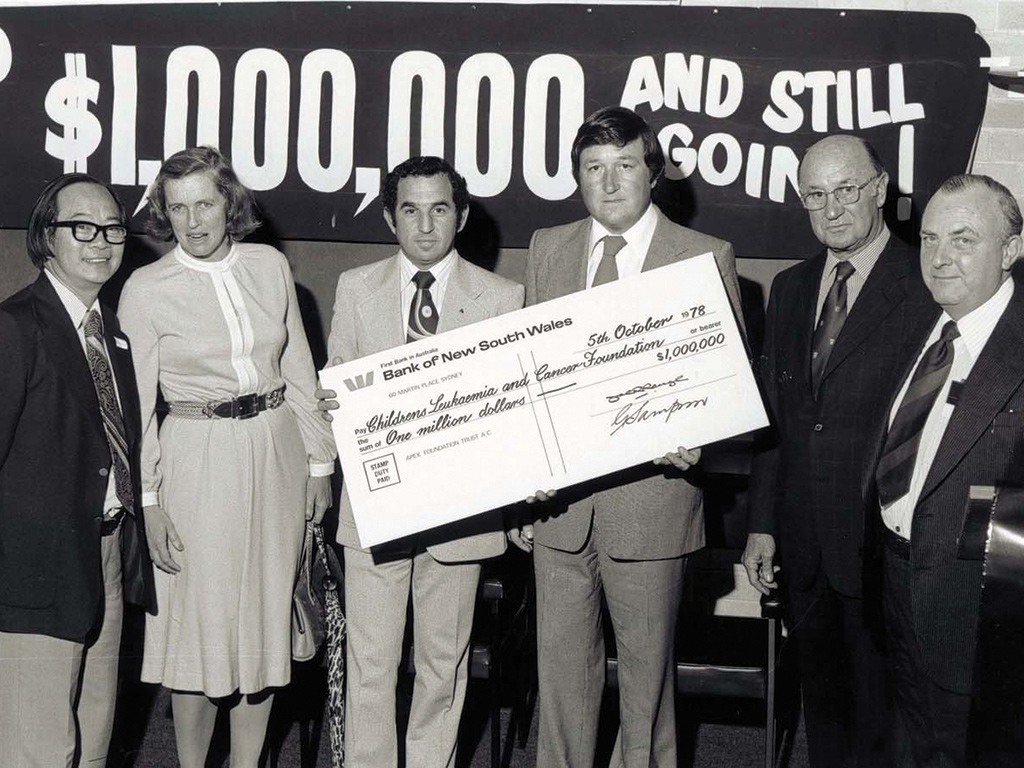
In July, John Lough approached his local Apex Club in Wollongong to ask if they would support him in putting forward the new Foundation as the 1977/78 Apex national service scheme. They agreed, and after months of intense lobbying, the proposal was accepted. Apex enlisted the help of renowned advertising guru John Singleton, who designed marketing material for the campaign ‘Some kids make it, some kids don’t − Help a kid make it’. In just one year, a staggering $1.3 million (the equivalent of about $8 million today) was raised. Plans for construction of the Foundation’s research unit could now begin in earnest.
“We worked out that with 860-odd Apex Clubs, if each club raised $1,345.67 we would have $1 million.”
– John Lough, Institute founder.
The same year, another major stride for fundraising was made with the formation of the Ladies Committee. Joan Curtis, Tina Georgiou, Jean Parry, Annette Kasses and many others worked tirelessly to raise funds for the research unit. Today, the total raised by the group since their formation exceeds $1 million.
By 1979, the Foundation had enough funds to begin its long anticipated social welfare program. Coordinated by Margaret French, the program delivered much-needed financial and accommodation assistance for families in need, as well as regular educational and support seminars for all families of children with cancer.
Our Research Begins
Finally, the day came when the Foundation opened its research unit: The Apex Centre. At the opening ceremony, those present were moved to tears when Dr O’Gorman Hughes asked all survivors of childhood cancer to stand up. A silence fell over the crowd as, one by one, these children and adults stood up − a dramatic demonstration of the importance of the Centre’s work … Read more
"The day we opened the centre was the day I realised we were on track … that we could finally begin to do something about curing this terrible illness.”
– Jack Kasses, Institute founder
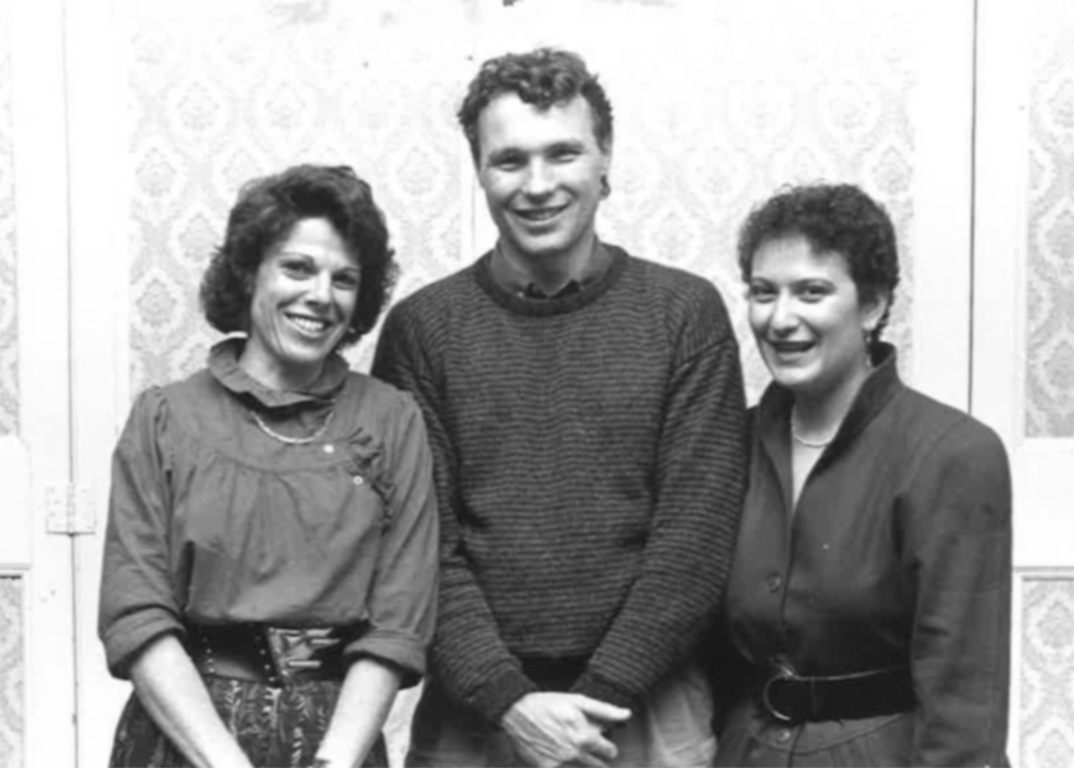
Professor O’Gorman Hughes took the helm as Honorary Medical Director, Professors Bernard Stewart and Les White were appointed to head research operations, with Don Reece the Chairman officiating. In 1984, the first three scientists were employed to work in the new laboratories. Remarkably, those same scientists − Professors Michelle Haber, Maria Kavallaris and Murray Norris − remain at the Institute today. Also integral to the first research team were Dr Les White (who went on to become head of Sydney Children’s Hospital from 1995-2010, and is a current Institute Board member) and Dr Marcus Vowels, both appointed as Clinical Associates.
“There was an understanding that parents and doctors were putting their trust in us. There was a sense of responsibility from the very first day.”
– Professor Michelle Haber AM
Within 12 months, the Centre had attracted its first research grants, and within two years, it employed a dozen staff. By 1988, space was starting to run out. Plans were made to add three stories on top of the existing laboratories, and following a grant of $1.2 million from the NSW Government, the expanded ‘Children’s Leukaemia and Cancer Research Centre’ opened in April 1992. Coinciding with the opening of the new Centre, a General Manager was employed (Elizabeth Lobb), and John McAdam replaced Don Reece as Chairman. Three years later, the organisation changed its name to Children’s Cancer Institute Australia.
In 1996, dizzy new heights were reached when the Institute published in the world’s top medical journal, The New England Journal of Medicine, sharing its research findings that treatment failure in children with neuroblastoma was linked with high levels of the multidrug resistance-associated protein (MRP) gene. A few years later, a major stride was made in leukaemia research when the Institute’s scientists developed a molecular test able to detect ‘minimal residual disease’ (MRD) − the burden of remaining cancer cells surviving treatment − in children with acute lymphoblastic leukaemia (ALL), allowing the early prediction of relapse.
Key to the progress being made in translational research – research aimed at solving real-life clinical problems – was the close connection between the Institute’s scientists and the oncologists at Sydney Children’s Hospital. Professor Glenn Marshall, head of the Kids Cancer Centre at the Hospital from 1998 to 2016 (and now Head of Translational Research at the Institute), was instrumental in fostering this relationship and remains a driving force in getting clinicians involved in research.
“Our success in those early days, and in fact since, stemmed from working closely with the doctors at Sydney Children’s Hospital to understand the most pressing problems facing children with cancer and then, as scientists, endeavouring to provide a solution.”
– Professor Murray Norris AM
In 2000, the Institute’s inaugural scientists, Michelle Haber and Murray Norris, were appointed Executive Director and Deputy Director, respectively. The Institute also qualified for NSW Government Research and Development Infrastructure funding – a significant boost to its ability to finance ongoing operations. Once again, it became clear that more space was needed for ever-growing staff numbers, and the ‘10 out of 10’ appeal was launched to raise the millions of dollars required.
2002 saw two major developments in the Institute’s leukaemia research, with its minimal residual disease (MRD) test entering a decade-long national clinical trial, and its unique laboratory model of ALL (closely resembling ALL in humans) published in the world’s leading haematology journal, Blood. The latter proved instrumental in the Institute being chosen in 2004 as the leukaemia testing site of the Pediatric Preclinical Testing Consortium, a US-led initiative to prioritise the most promising childhood cancer drugs for clinical evaluation.
At the same time, the Institute’s scientists were making major headway in neuroblastoma research. A vital clue to the origins of the disease came with the finding that, in mice with extra copies of an oncogene known as MYCN, neuroblastoma develops from embryonic cells that abnormally persist beyond birth. The following year, the Institute filed an international patent on compounds capable of reversing drug resistance in neuroblastoma, developed in collaboration with the Cleveland Clinic, USA.
Our move to The Lowy Centre
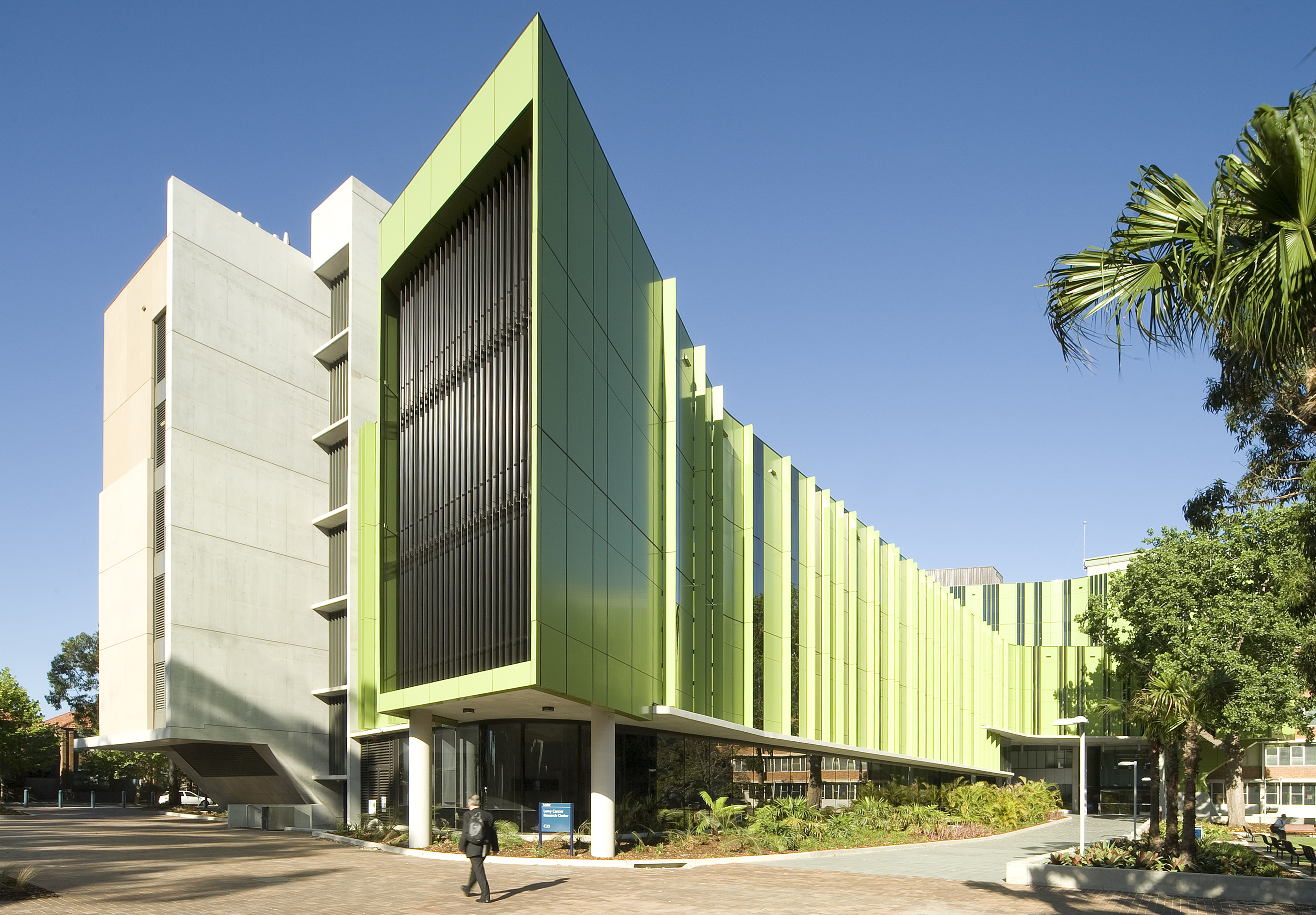
After 10 years of planning, the $120 million Lowy Cancer Research Centre – the Institute’s new home – opened in May 2010. The move marked the beginning of a hugely exciting chapter for the organisation, whose staff now numbered close to 150 … Read more
Constructed on the University of NSW campus and featuring purpose built, state of the art facilities the equal of any in the world, the Centre allowed for expansion of staff numbers and turbo-boosted the Institute’s research effort.
“Moving into the Lowy Centre was a big step up… it felt like we were a real Institute. There was almost a sense of arrival.”
– Professor Michelle Haber AM
The move to the Lowy Centre heralded a time of unprecedented state-wide collaboration. Within a year, the Institute became a founding partner in the Kids Cancer Alliance ? bringing together all childhood cancer clinical care and research in NSW and shortly thereafter joined ‘Paediatrio’ (later renamed Luminesce Alliance), a state-wide translational paediatric research entity. It also became a partner in the Cancer Therapeutics Cooperative Research Centre (CTx), an Australian Government-led drug discovery organisation. A new age of cooperation had begun.
The Institute’s contribution to Australian drug discovery received a major boost with the launch of its newest facility, the Australian Cancer Research Foundation (ACRF) Drug Discovery Centre for Childhood Cancer, which coincided with the move to the Lowy Centre. With robotic instrumentation allowing the rapid screening of thousands of ‘small molecule’ compounds to identify those with anticancer properties, the Centre would prove pivotal to the Institute’s drug discovery capability.
This capability was put to good use when the Institute began an Australian-first research project into a uniformly fatal childhood brain cancer known as diffuse intrinsic pontine glioma (DIPG) in 2012. An intensive effort to find effective treatments for children diagnosed with this disease led to the discovery of several promising compounds, and the first of a series of clinical trials to test these drugs opened in 2018.
“We were pioneers - we didn’t know where we were going, but I don’t think any of us in any of our dreams realised how good it was going to be.”
– Margaret Lough, Institute founder
In 2013, results of the 10-year national clinical trial of the Institute’s minimal residual disease (MRD) testing were published. Use of MRD testing had not just improved outcomes for children with acute lymphoblastic leukaemia (ALL), but had doubled the survival rate of children with high-risk disease from 35% to 70%. MRD testing became the national standard of care for children with ALL, and continues to save lives every year.
2015 saw the Institute launch its boldest initiative yet, joining with the Kids Cancer Centre at Sydney Children’s Hospital to establish the Zero Childhood Cancer (ZERO) Program, the world’s most comprehensive precision medicine program for children with cancer. Following a NSW-based pilot study, a 3-year national clinical trial for children all over Australia with high-risk or relapsed cancer opened in 2017. Building on the success of this clinical trial, joint funding by the Australian Government and Minderoo Foundation was announced in 2020, enabling the ZERO program to not only continue, but to be progressively expanded to include all children diagnosed with cancer in Australia – regardless of the type or risk profile – by the end of 2023.
“We’re just over the moon about the progress being made by the Institute. It gives us the motivation to keep going; it makes us want to do more."
– Fay Hogan, Ladies Committee
Our new home: The MCCCC
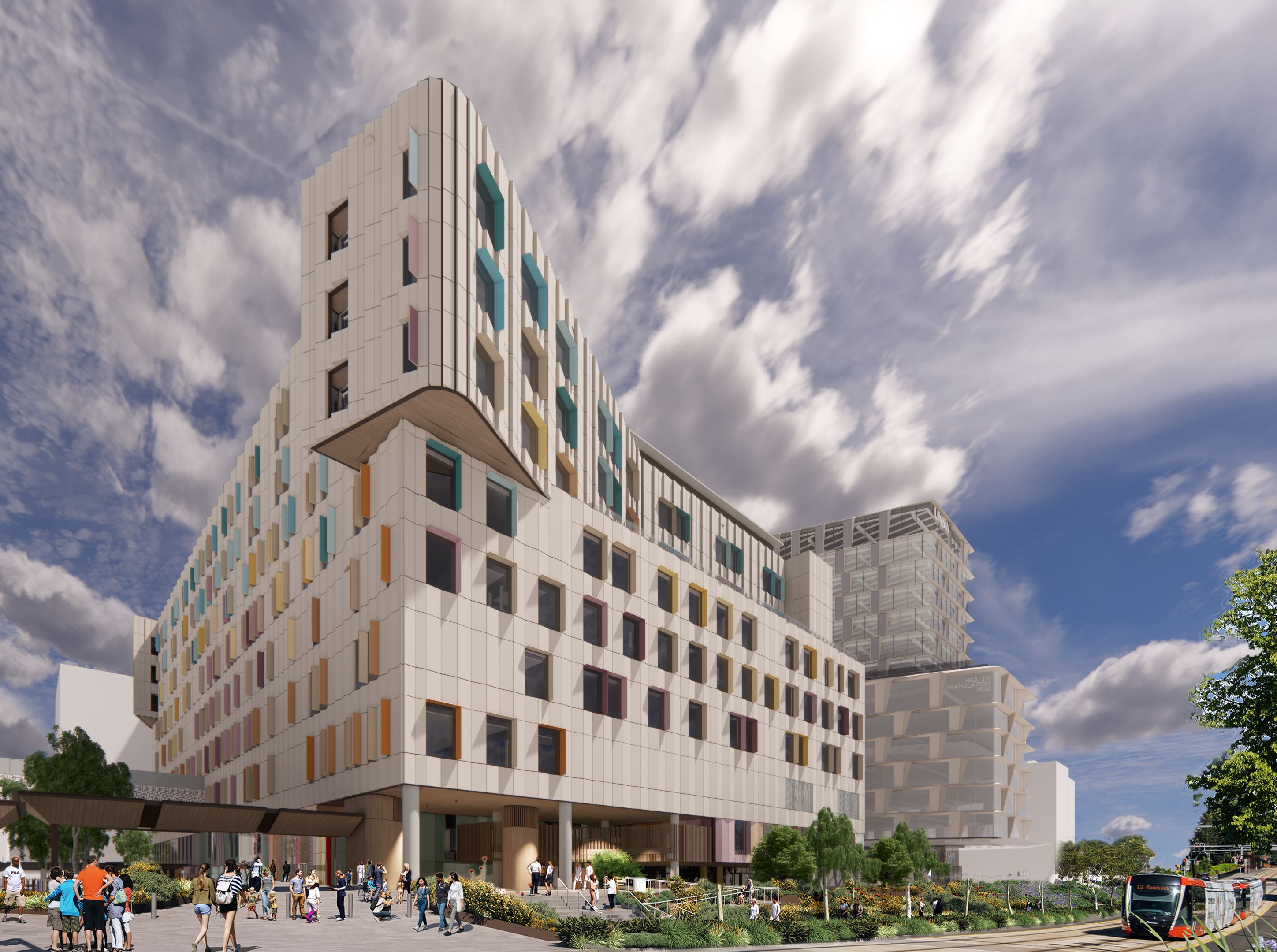
Children's Cancer Institute enters a new era, co-located with our clinical colleagues from the Kids Cancer Centre at Sydney Children's Hospital, as part of the Minderoo Children's Comprehensive Cancer Centre...Read more
Signalling the next chapter in the Institute’s history, the Australian Government and NSW Government jointly announced in 2019 that the country’s first-ever Children’s Comprehensive Cancer Centre (CCCC) was to be built on the Randwick Hospital Campus. This world-class facility would be the new home of both the Institute and an expanded Kid’s Cancer Centre, with capacity for 900 scientists and clinicians working together under one roof.
The Institute began moving into the new Centre in late 2025, with all staff relocated by January 2026.
Now, for the first time in Australia’s history, childhood cancer research and clinical care are fully integrated, allowing discoveries made in the laboratory to be applied in the clinic more quickly than ever before, ultimately benefiting all children with cancer.
“The move to the Children’s Comprehensive Cancer Centre symbolises everything we’ve done, and epitomises the beginning of the next stage of our journey.”
– Professor Michelle Haber AM
Get in touch
Do you have a question about our work? For any enquiries please don’t hesitate to contact us.


