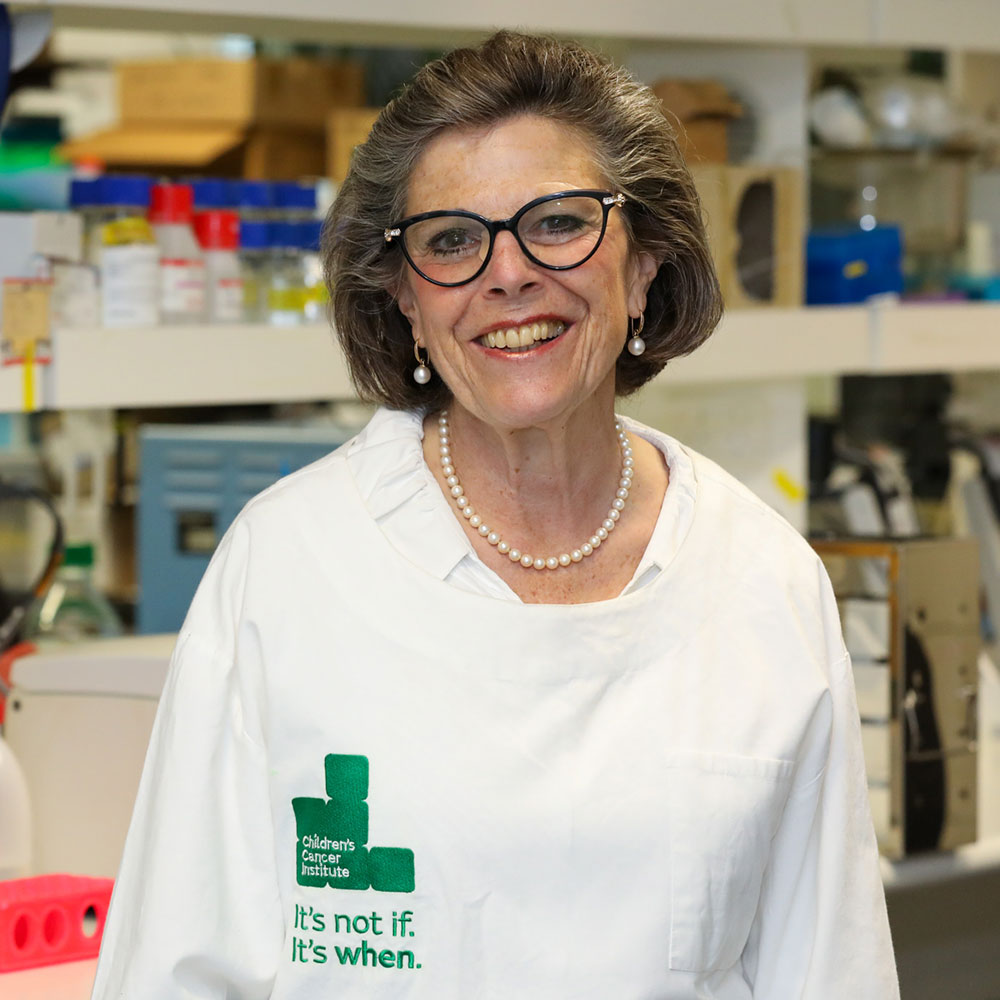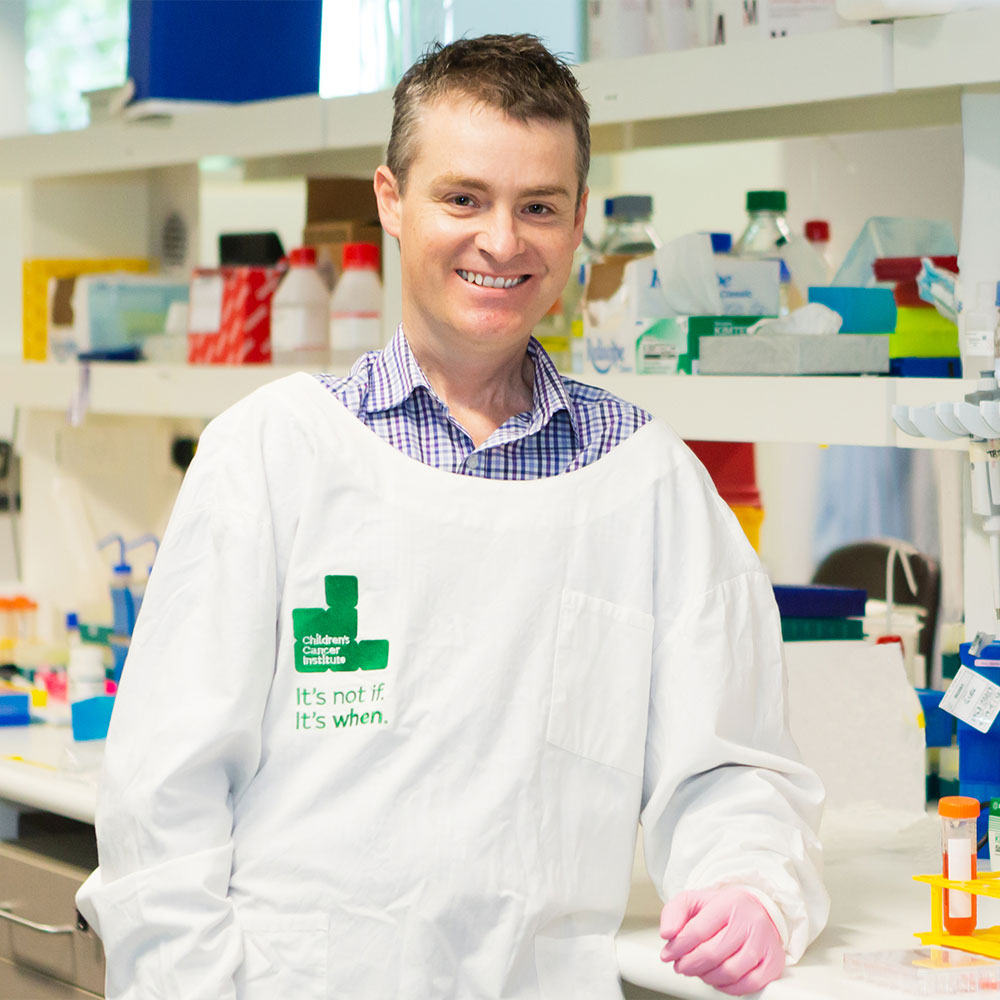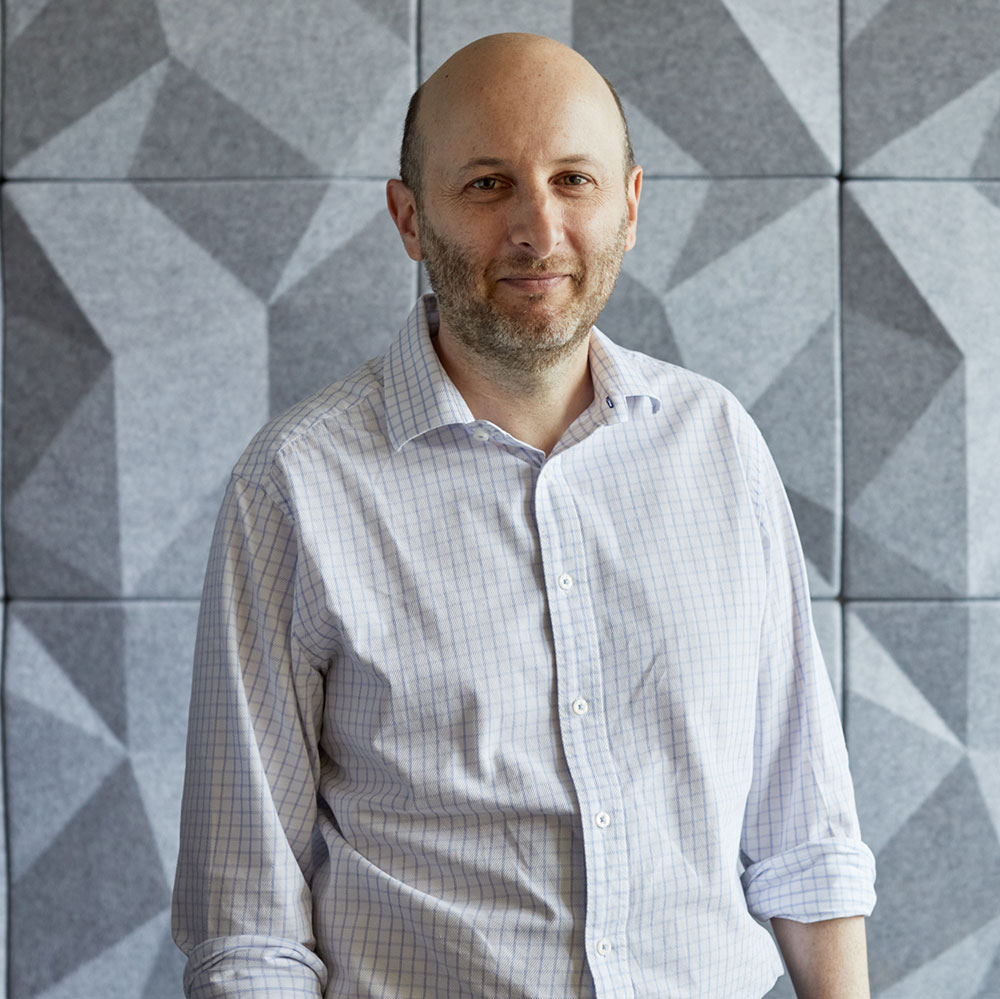

Congratulations to Professor Maria Kavallaris AM, who has been awarded the 2026 Clunies Ross Technology Innovation Award alongside Professor Justin Gooding and Dr Julio Ribeiro, recognising their work to develop the innovative RASTRUM™ 3D bioprinting technology.
Presented by the Australian Academy of Technological Sciences and Engineering (ATSE), the Clunies Ross Technology Innovation Awards recognise individuals and teams who apply science, technology and engineering to deliver significant benefits for Australia and beyond.
The award recognises the team’s multidisciplinary collaboration in developing RASTRUM, a 3D bioprinting platform that allows researchers to rapidly and consistently create complex 3D cell models that more closely mimic the structure and behaviour of human tissue.
Professor Kavallaris brought the cancer biology and translational expertise that helped turn the technology into a platform for modelling human cell and tumours. Her work defined how cancer cells survive, grow and respond within the printed environment and helped create tumour models that more faithfully reproduce the biology of cancer in the human body. This has opened new opportunities to study tumour behaviour, test therapies and ultimately support more personalised approaches to treatment.
Working alongside Professor Gooding from UNSW Sydney and Dr Ribeiro, founder of Inventia Life Science, the collaboration brought together expertise spanning cell biology, chemistry and engineering. That interdisciplinary approach ultimately led to the RASTRUM platform, now used to create reproducible 3D models for applications including cancer research, drug discovery and precision medicine.
The technology offers researchers an important alternative to traditional two-dimensional cell culture. By creating more biologically relevant models of human tissue, it can help scientists better understand how cancers develop and behave and investigate how they respond to potential treatments.
“It is a tremendous honour to receive the ATSE Clunies Ross Technology Innovation Award. What began as a collaboration between researchers from very different disciplines became a technology that is changing how we can create complex, reproducible 3D models of human disease.
"I’m particularly proud that our work has moved beyond the laboratory into a commercial platform being used by researchers to accelerate discovery and improve the way we study and test new treatments.
"We are now taking this further by using RASTRUM technology to develop patient-derived tumour models that can help us understand individual responses to treatment and advance precision medicine.”
The team’s work has previously been recognised with the 2021 Eureka Prize for Innovative Use of Technology, which acknowledged the potential of the bioprinting system to advance cancer research and therapeutic development.
The Clunies Ross Technology Innovation Award recognises not only technological innovation but demonstrated impact through the application of science and technology for the benefit of the Australian community.