The Australian Government announced last week it will spend $508.5 million over the next four years to increase its investment in medical research through the Medical Research Future Fund (MRFF), with MRFF grant funding set to reach a record $1 billion a year by 2030-2031.
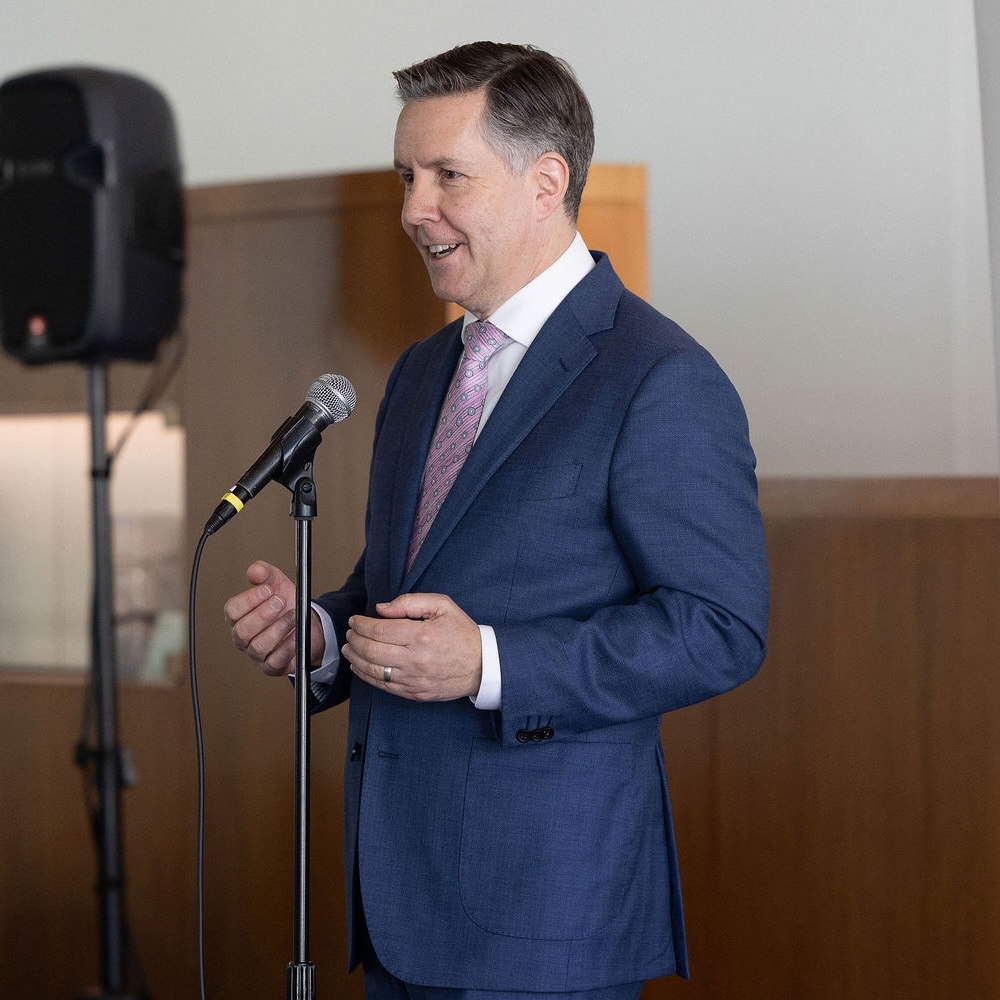
“This announcement is very welcome news for the medical research sector which has faced significantly rising costs in recent years,” commented Professor Louis Chesler, Executive Director of Children’s Cancer Institute. “Additional support from the government to invest in new research discoveries that improve health outcomes and provide a more sustainable future for the sector is extremely valuable, and will ultimately benefit all Australians.”
The government’s investment includes $210 million to address national research priorities, as well as funding to better support research administration associated with MRFF-funded research, and the translation of research into new medical treatments and innovations.
Among the identified national research priorities are establishing the ‘Australian Cancer Research Program’ to deliver coordinated research into childhood, adolescent and young adult cancers, as well as brain cancer and low survival cancers, and establishing the ‘Precision Health Research Program’ which will strengthen genomic healthcare and research capability, improve access to genetic testing and treatment, and support earlier identification of people at risk of developing disease.
“Both of these new programs are highly relevant to paediatric cancer research and care,” said Professor Chesler. “The government’s recognition of and investment in these priorities shows how important they are, and speaks volumes about the critical role research plays in changing things for the better.”
Also announced was the release of Australia’s first ever National Strategy for Health and Medical Research, described as “an ambitious 10-year vision to strengthen Australia’s health and medical research sector and create a healthier nation.”
Coinciding with the funding announcement, The Childhood, Adolescent and Young Adult Cancer Roadmap ― developed by Cancer Australia in collaboration the sector ― was launched to provide clear direction across three key areas: supportive care, access to emerging technologies and therapies, and research and clinical trials.
Children’s Cancer Institute contributed to both the Strategy and the Roadmap, particularly the latter, with Professor Michelle Haber AM a member of the expert reference group.
“A lot of work went into producing these important strategic documents,” said Professor Chesler. “As a result, we now have two valuable tools to help guide us into the future.”