
I would look at Natasha and think — how is it possible that she has cancer? She is perfect.
- Kat, Tashy's Mum
3-year-old Tashy was loving life on the NSW South Coast. Then an illness that the rest of the family shook off in days left her pale, flat and feverish — and her mum, a paramedic, couldn’t shake the feeling that something wasn’t right.
Life before cancer
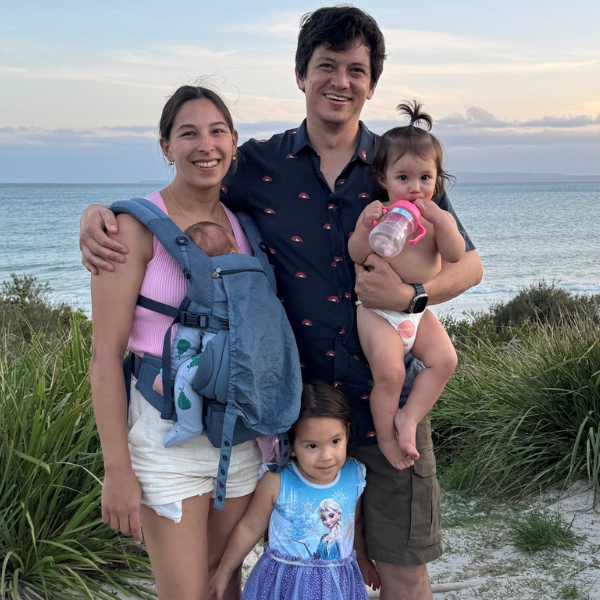
Tashy (Natasha) is described by her mum, Kat, as a happy kid “who just loved to do all the things that kids do.” She danced three times a week and had just performed in her first concert. She went to Russian language class with her little sister Sasha, and after the family moved from Sydney to the South Coast she was enjoying having plenty of room to ride her bike.
Kat had spent years as a paramedic and had recently been accepted to study Medicine. The family moved south with a four-week-old baby, Maxim, and built a new routine around Kat’s study and her husband Mick’s work.
“It was chaos,” Kat says of life with three young children. “It was just trying to survive every single day — in a very busy, chaotic, nice kind of way.
Symptoms
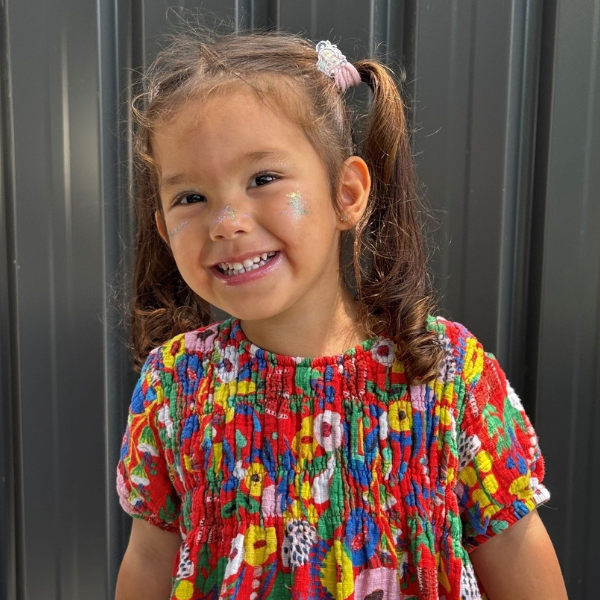
Not long after the family moved, Tashy began having episodes where she had trouble breathing, leading to repeated trips to hospital where she was diagnosed with asthma.
A few months later, in August, the whole family caught the ‘flu. But while everyone else bounced back, Tashy didn’t. After three or four days of fevers she was flat and exhausted, her heart rate was 170, and she was barely passing any urine.
I just felt, oh thank God, someone's listening.
- Kat, Tashy's Mum
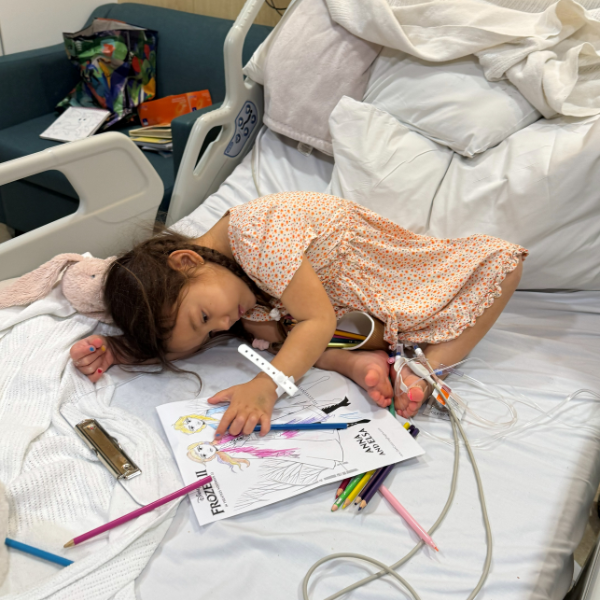
“It was late at night and we thought it was probably best to take her into Emergency,” Kat recounts. Mick took Tashy to the hospital while Kat stayed at home to look after the baby.
The next morning, Mick rang her to say the hospital wanted to send Tashy home. Kat drove straight there and gave the handover herself, the way a paramedic would, and insisted that Tashy be reviewed by a second doctor.
“The consultant said, ‘I agree with you, this isn't right. We're going to admit her. Let's do some bloods; let's see what's going on.’ And I just felt, oh thank God, someone's listening".
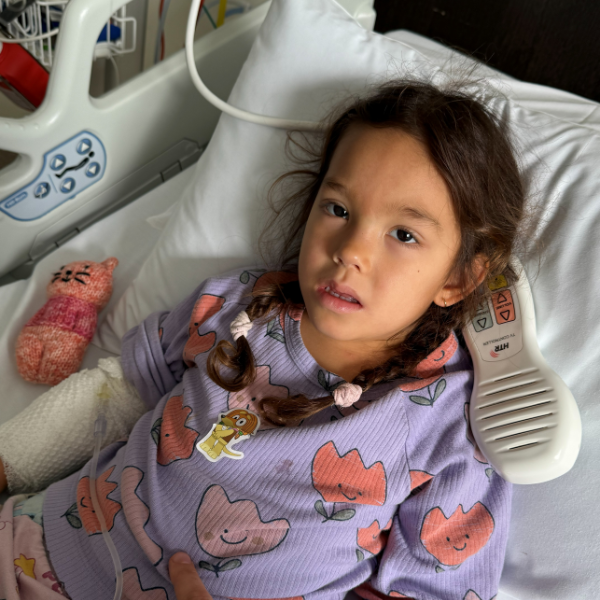
Tests and more tests
Tashy’s blood test results suggested a significant viral illness and, because she had a low white cell count, she was started on an antibiotic in case she also had a bacterial infection. Kat and Mick let themselves feel relieved.
Tashy appeared to get better over the next couple of days. But just when Kat and Mick thought they would be heading home, the consultant came in and said he wanted to get more tests done.
After initially being told the results were fine, they returned home, only to be asked to go to Wollongong for still more tests.
I heard this dread in the doctor’s voice.
- Kat, Tashy's Mum
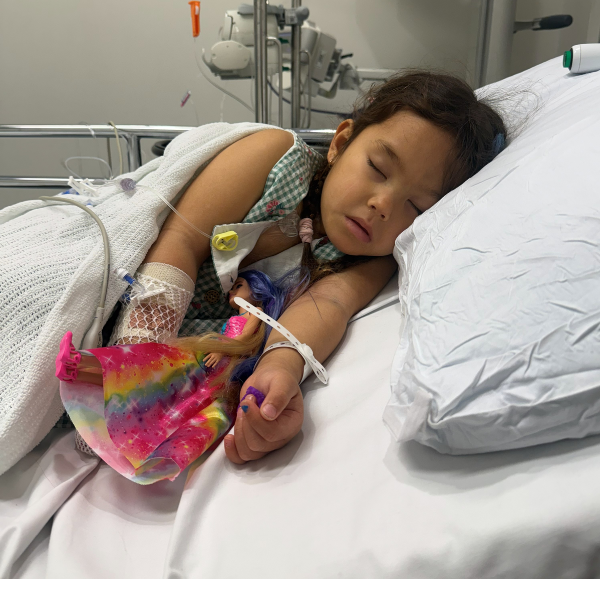
Two days later, having just picked up the kids from daycare and trying to get dinner on the table, Kat received a phone call she will never forget.
“I just heard this dread in the doctor’s voice. He said, ‘I’m really sorry, I don’t know how to say this, but her bloods look like they may indicate she has leukaemia and we need to get you to Sydney tomorrow morning at 7am.’ After that, everything went muffled in my head.”
Kat was on the phone for 40 minutes and remembers almost none of it. Mick was driving home from Sydney; she had to tell him in the car. That night they barely spoke.
“It almost felt as if, if we had said it out loud, it was going to concrete it in. If we said she has leukaemia, we were making it real.”
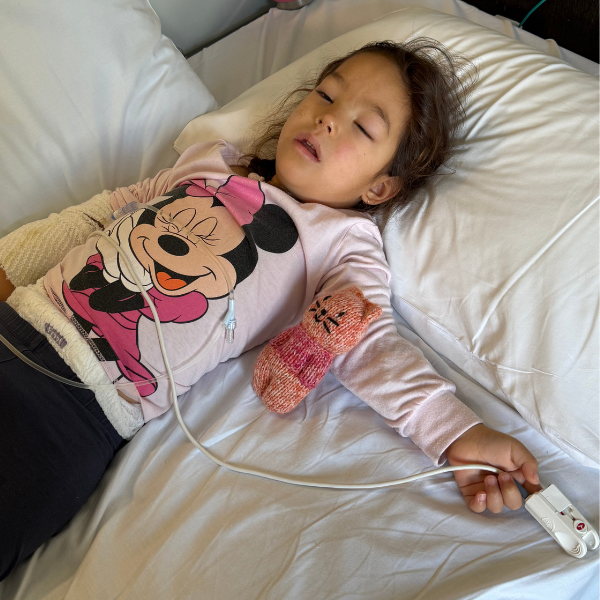
Diagnosis
The next morning, they were at Sydney Children’s Hospital in Randwick. Kat sat in the waiting room and watched small children walk past with no hair. The head of Oncology sat down and told them he was sorry they were there, that he had looked at Tashy’s cells under the microscope, and that if it was what he thought it was, it was going to be leukaemia.
Kat walked out into the corridor looking for a bathroom, crying, everything blurred. When she came back, Tashy looked up at her. “She goes, ‘Mummy, why are you crying?’ And in my head I was like, because you have cancer. But I didn’t say that to her. I just thought, what do I even say?”
The earliest a bone marrow test could be done was the following Tuesday. They were told to go home and get through the next four days. It was Father’s Day.
I essentially started grieving her entire childhood in those four days.
- Kat, Tashy's Mum
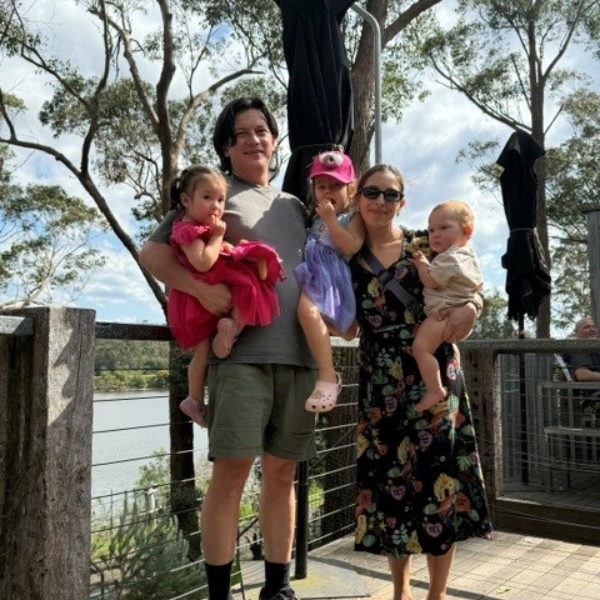
Kat says she felt like everything they did over those four days might be for the last time. They took Tashy to the zoo, one of her favourite places, and asked a friend to take family photos.
By Sunday night, Tashy was pale, sleeping through the day, with dark circles under her eyes and bruises appearing on her skin.
Back on the ward the following week, Kat sat among families who seemed to be coping in a way she couldn’t imagine. “I remember thinking, how are you so composed and so strong? She pauses. “It’s funny that’s how I thought at the time, because as time goes on, you become that parent.”
On 10 September 2025, the diagnosis was official: Tashy had B-cell acute lymphoblastic leukaemia (B-cell ALL).
Treatment begins
Treatment started straight away — steroids first, then chemotherapy. To Tashy, the procedures became “nap tests”, Kat’s way of explaining a general anaesthetic to a three-year-old.
While the first rounds of chemotherapy seemed to pass more easily than Kat expected, without warning, Tashy became very unwell.
Kat was particularly concerned when she realised her daughter was smiling with only one side of her face, but when a scan was done, it came back clear. Whatever it was had been a transient effect.
The constipation started in the first week and never let up; every laxative available, all at maximum dose, and still her belly swelled.
Time after time, Tashy would spike a fever, and end up back in hospital. “She was pretty much in more than she was out,” says Kat. “It was just fever after fever after fever.”
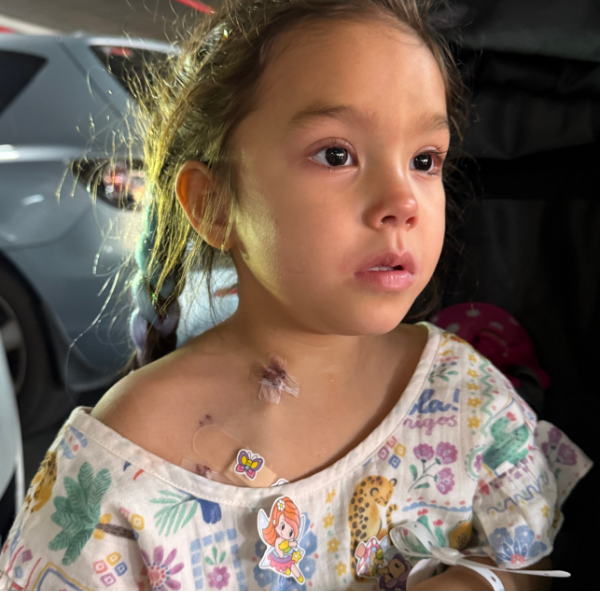
We might as well have stayed there the whole four weeks, because we’d go home and that night she’d spike another fever.
- Kat, Tashy's Mum
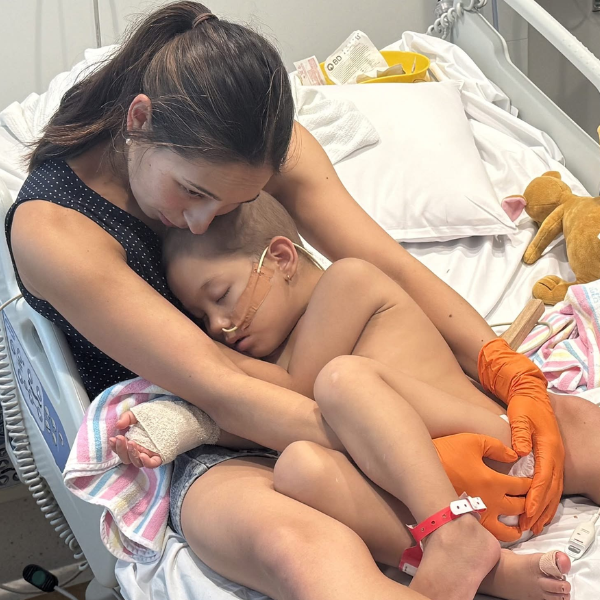
Mick stopped work. Kat was told to defer her degree and warned she was unlikely to pass — so she studied on the whiteboards in Tashy’s hospital room, then again at home until 3am. Meanwhile, the younger two kids were handed between whoever could take them.
Tashy was enrolled in the Zero Childhood Cancer Program. The results didn’t change her treatment, but they did answer a question that had been keeping Kat awake — particularly after Tashy’s little sister was hospitalised with a fever, low blood counts and a nosebleed. Thankfully it turned out to be pneumonia, and ZERO confirmed Tashy’s cancer had no hereditary link.
Kat was also relieved when the results of Tashy’s MRD test (developed by Children’s Cancer Institute to assess risk level) came back showing ‘standard’ risk ― the result Kat was praying for.
The hardest stretch
The worst stretch was to come. A rebound fever brought Tashy back to hospital with severe mucositis — ulceration caused by chemotherapy, on her lips and down her throat. The pain escalated. Morphine was started, followed by other drugs, with Tashy managing to get only a few hours of relief at a time.
When Tashy’s blood counts collapsed, she needed blood products. Then fluid leaked out of her circulation and her belly distended as the fluid built up, including on her lungs. She stopped talking and just slept. Oxygen became high-flow oxygen, more antibiotics were needed, then antifungals were added. Then, on top of everything else, severe asthma set in.
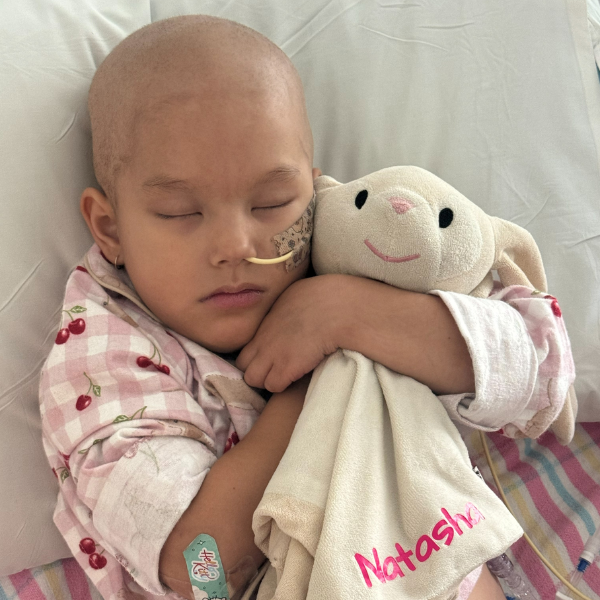
I looked at my husband and I thought, we’re in deep trouble here. We’re in really big trouble.
- Kat, Tashy's Mum
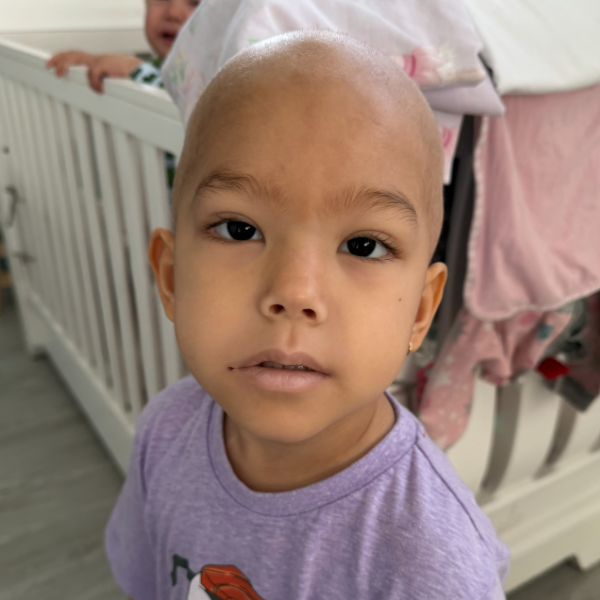
Over a two week period, rapid responses were called multiple times — the emergency call that brings a team of doctors to the bedside within minutes.
“You’re watching your own kid who’s not conscious and breathing really fast, and her oxygen’s plummeting,” Kat shares. “I just thought, oh my God, when is she going to get better?”
Somehow, they got through it. “When it’s bad, you take it day by day. And when it’s really bad, you take it hour by hour. I was just going, okay, we’re at 5 o’clock now. How do we get to 6?”
In the crisis itself, they held together. It was afterwards that it caught up with them.
Life At Home
Tashy came home and began maintenance therapy at the end of June. The chemotherapy often leaves her unwell for days, and any fever still means 48 hours in hospital. She is nauseous, tires quickly, and struggles to concentrate.
She rings the ‘end of treatment’ bell on 10 September 2027.
“People think maintenance means everything’s okay, but it’s not,” Kat shares. “They still feel fatigued and crappy — and life expects you to be like, alright, time to get back to it.”
“We’ve been reassured that treatment is unlikely to have lasting effects, but what I see is what I see. She’s a very different kid to what she was before.”
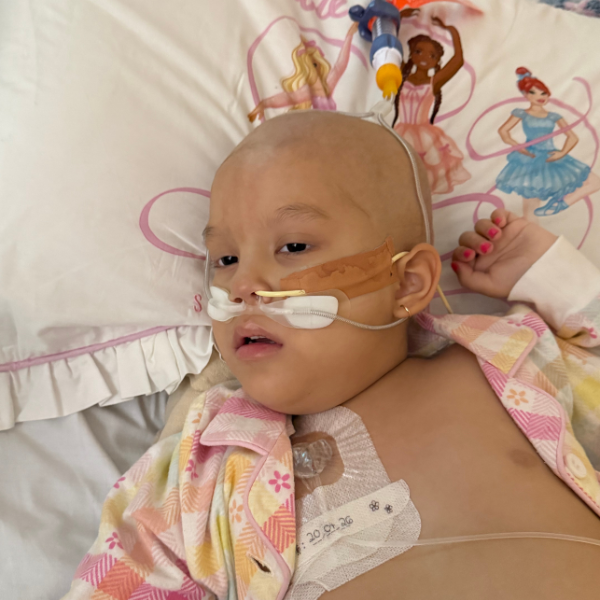
She’s a very different kid to what she was before.
- Kat, Tashy's Mum
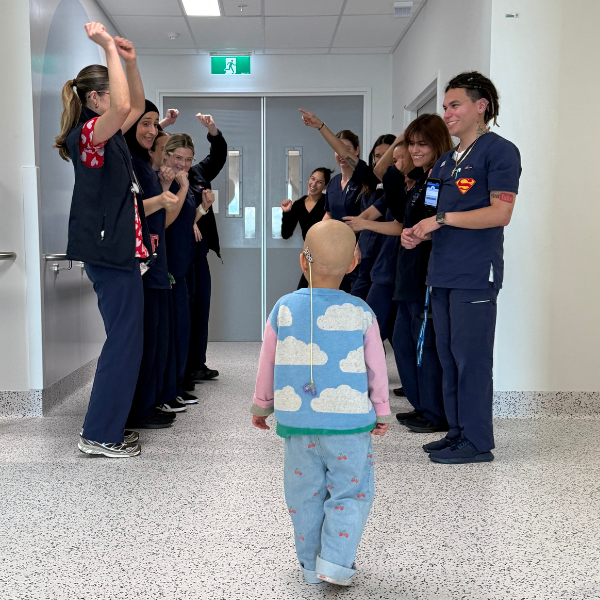
As for Tashy’s siblings, both were passed between so many different hands in those first months that they now worry, at every drop-off, about who is coming back for them. “Every time I drop them off I say, I’m coming back, I promise this time. I really, really am.” says Kat.
Now that the family is home, Kat is only just beginning to take stock.
“Now we really feel the effects of — oh my God, that was so hard on our family. How do we bring back that childhood? How do we make things nice and pleasant in the home without cancer ruling our lives?”
It’s a whole childhood that just vanishes, and you don’t get it back.
- Kat, Tashy's Mum
Reflections
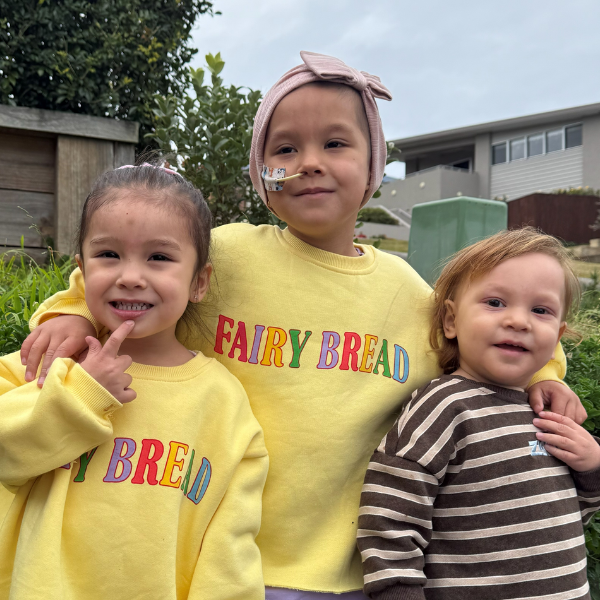
Kat has heard B-cell ALL described as the “good” childhood cancer. She doesn’t accept it.
“How could you ever call a cancer good? It’s a whole childhood that just vanishes, and you don’t get it back. For a three-year-old, two years is essentially their whole life.”
What she carries forward is what she saw in those waiting rooms — and what she now wants for the families who come after hers.
“Research has done so much for us. But my main concern is for every child after Natasha. Can we have treatments where they don’t have to endure the side effects Tashy endured? I think the answer is yes — but the answer starts with research.”
How you can help

Give a gift
By giving a gift today, you can make a difference to the lives of children with cancer.

Fundraising and events
Get involved in one of our events or create your own to help find better, safer treatments for children with cancer.

Partnerships
Join our diverse community of businesses, philanthropists and gamechangers, determined to help cure childhood cancer.
Share your story
Have you been touched by childhood cancer and would like to share your story? Please get in touch today.


