


I just feel so grateful that we're able to benefit from all of this amazing research
- Katie, Sam's Mum
Sam was a very active and social 12-year-old when he began to show signs of being unwell. He went downhill quickly …but thanks to world-class research and medical care, it wasn’t long before things were looking up.
Pre-diagnosis
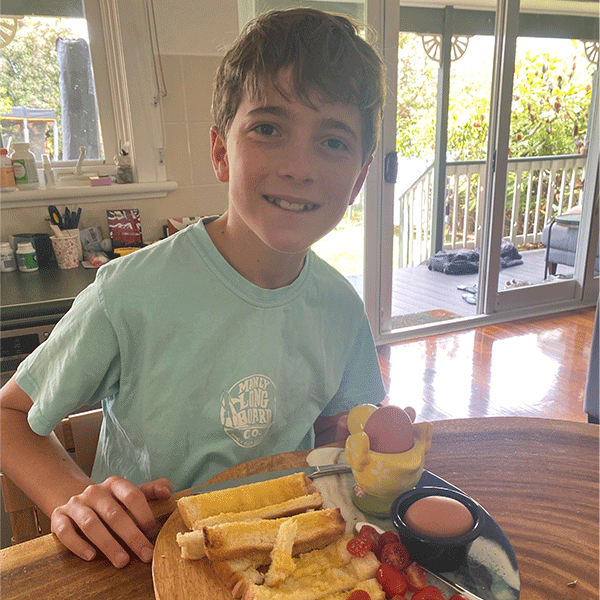
Before Sam started feeling unwell, he was always on the go. With two siblings — older brother, Tom, and younger sister, Abbie — plus school, sport, and socialising, life was full.
‘We're a very active family,’ says Katie, Sam’s mum. ‘All the kids play team sport; there’s dancing, rugby, rowing…’
‘Life's busy. We both work full time and were just going through the motions of everyday life.’
Symptoms
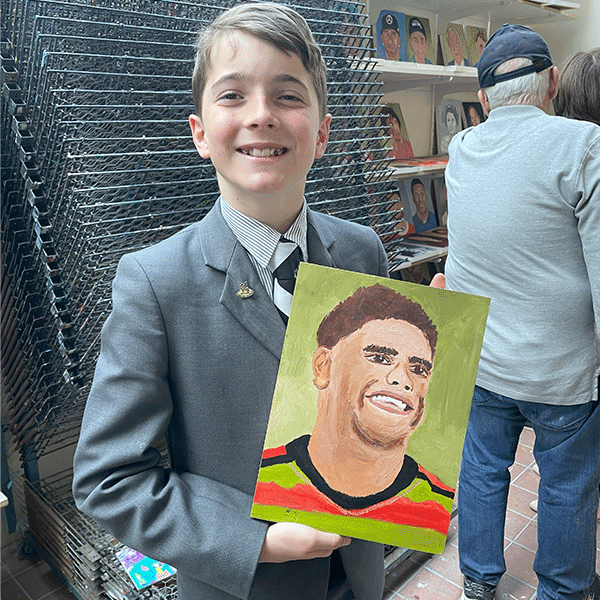
Over a period of about five months, Sam began having sporadic headaches, which became regular headaches, then everyday headaches. He then began waking with nausea which affected his appetite, leading to weight loss.
Katie says the first sign that something wasn’t right came when Sam became unusually reluctant to go out and socialise.
‘That’s the thing that really changed for him,’ she says. ‘He didn’t want to leave the house. We had to sort of drag him out with us.’
That’s the point at which I thought, there’s something going on here
- Katie, Sam's Mum
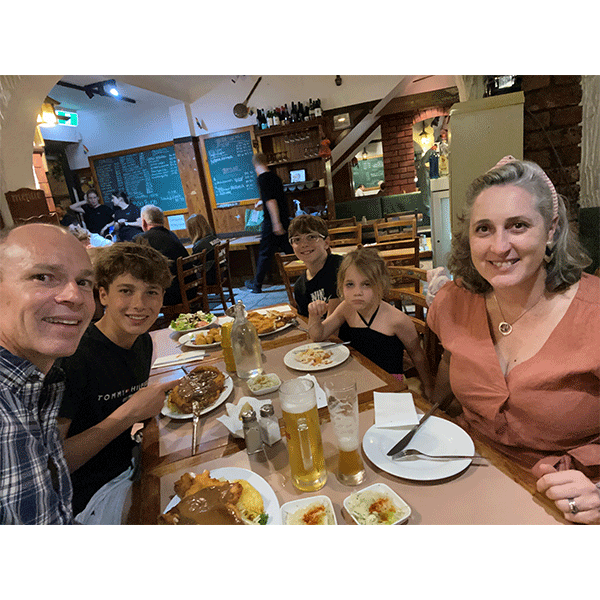
The turning point came on a Sunday night, when they were out at a family event.
‘We were only there for about half an hour,’ says Katie. ‘Then Sam said: you have to take me home; my head is going to explode. I’m in so much pain.’
‘That’s the point at which I thought, there’s something going on here. There’s something wrong with him. I made an appointment with the GP for the next day.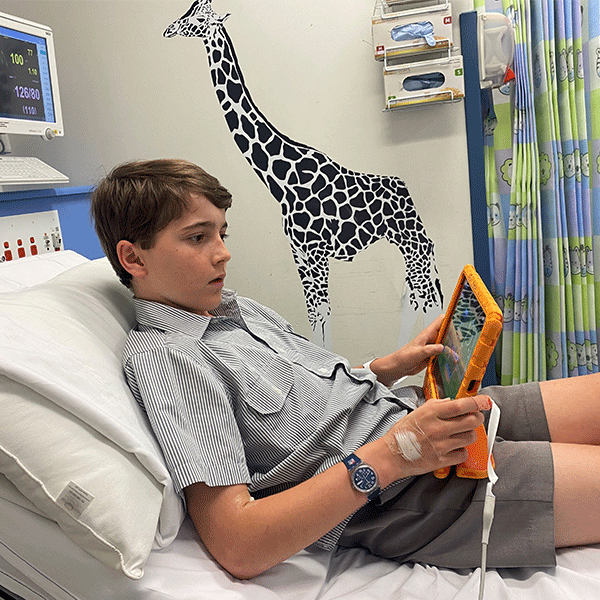
Diagnosis
The GP suggested they run some blood tests. When the results came back normal, he suggested Sam be taken for a brain MRI.
‘We had the MRI by the end of that week, on the Friday afternoon. And then on Monday morning, they called me and said: you need to present to Emergency straight away; Sam has a brain tumour.’
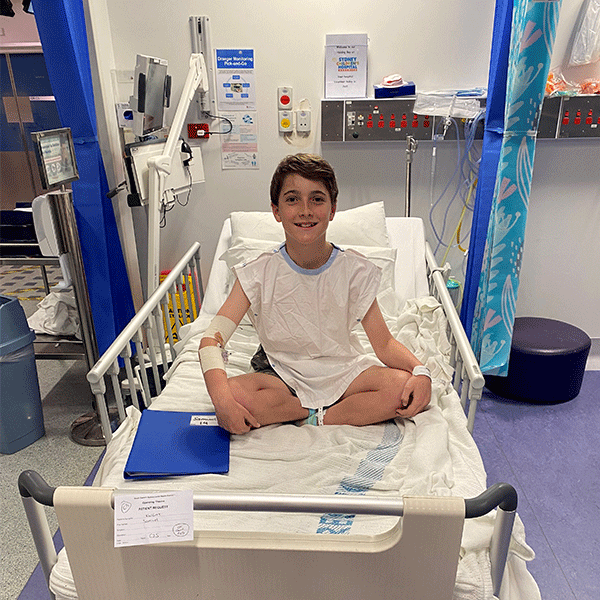
With Katie in New Zealand for work, Will picked Sam up from school and took him to Sydney Children’s Hospital.
Surgery
Doctors told Katie and Will that Sam’s tumour was in the midbrain, so it couldn’t be surgically removed. However, they wanted to operate the next day to relieve pressure on Sam’s brain and to take a biopsy so the tumour could be diagnosed.
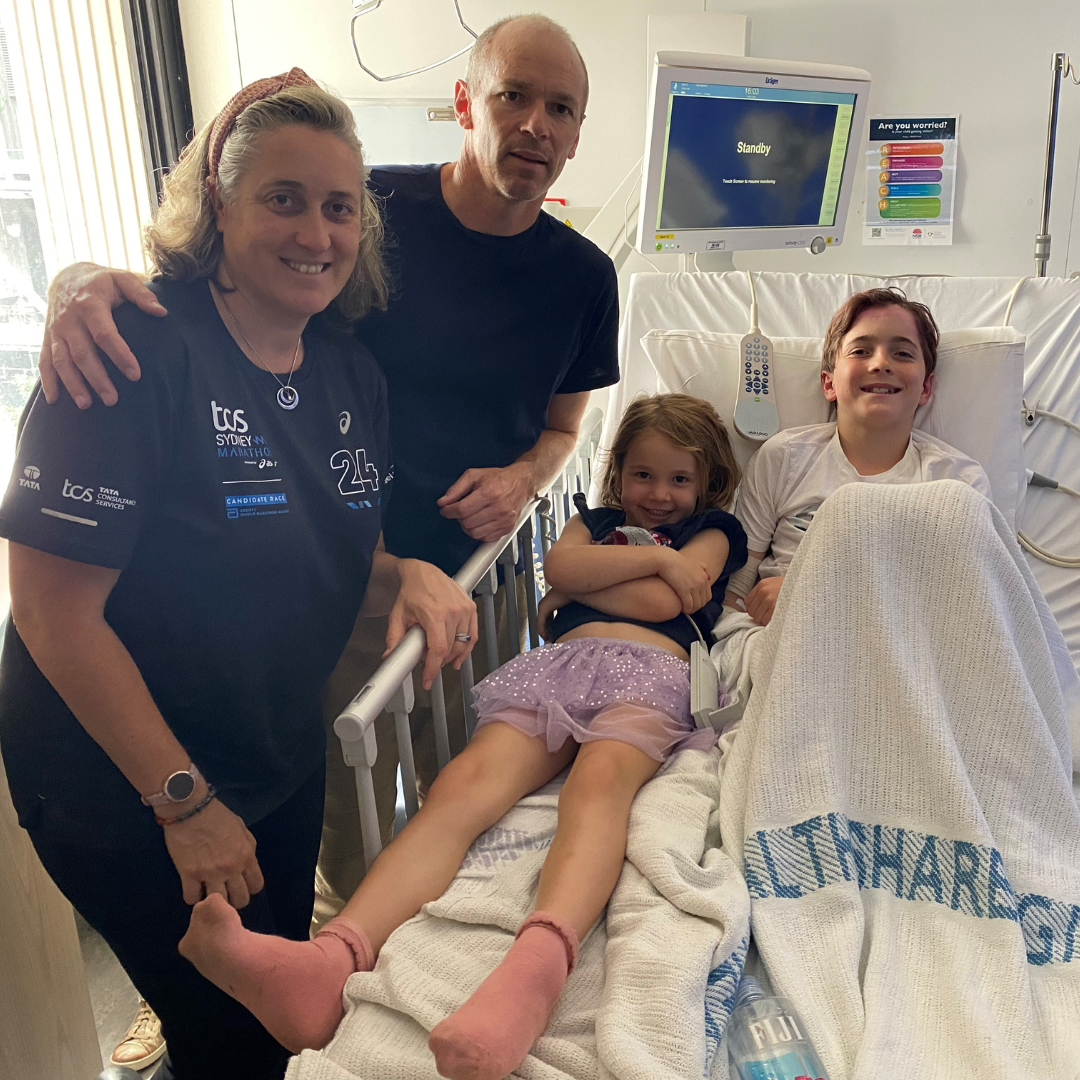
After the surgery, they had an anxious two-week wait for the results. While Katie describes this time as ‘horrific’, she was relieved to see Sam recover quickly, with the headaches and nausea disappearing almost straight away.
‘He was admitted on Monday and had brain surgery on Tuesday. Sam was in Intensive Care on Wednesday and discharged on Thursday. His recovery was amazing – he was so determined to get well and get out of hospital.’
Part of his motivation to recover quickly was his end-of-year activities in Year 6 – from the school social, the farewell ringing of the bell to the graduation – Sam was keen to get home, and only four days after returning home from hospital, he was back at school.
‘Everyone in the class kindly made a card for him. He wasn’t allowed to play in the playground yet, so they’d set up a roster of kids to hang out with him in the library and were jostling for spots over who was going to go first,’ Katie shares. ‘He felt very special and cared for – the school did a fantastic job of sharing his news in a thoughtful and appropriate way.’
‘He still got to do all the graduation things, which was great.’
Targeted Therapy
When Katie and Will met with Sam’s oncologist, Professor David Ziegler, they were told Sam had a brain tumour known as a low grade glioma, but that further testing was needed to learn more about it.
Sam was enrolled on the Zero Childhood Cancer Program (ZERO) and his samples were sent for genomic analysis. The results showed his tumour had the BRAF mutation, which meant it was likely to be fast-growing. This mutation was not picked up by standard testing.
In January 2025, only two months after Sam’s first scan, an MRI showed that his tumour had increased in size by quite a bit. Professor Ziegler recommended he start on targeted therapy straight away — a combination of two drugs known to target the BRAF mutation — to try and stop the tumour’s growth.
Chemotherapy is the backup … that’s what we’re trying to avoid
- Katie, Sam's Mum
‘The drugs are called inhibitors, however, if they didn’t work, chemotherapy was the backup … that’s what we’re trying to avoid,’ explains Katie. ‘Chemo obviously takes a much greater toll on the body, and then you've got the potential side effects after treatment.’
Four months after starting on the targeted therapy, Sam had a follow-up MRI to assess the size of the tumour.
‘Mercifully, it showed that the tumour had completely stopped growing,’ says Katie. ‘Hopefully this means the medication is working.’
Today
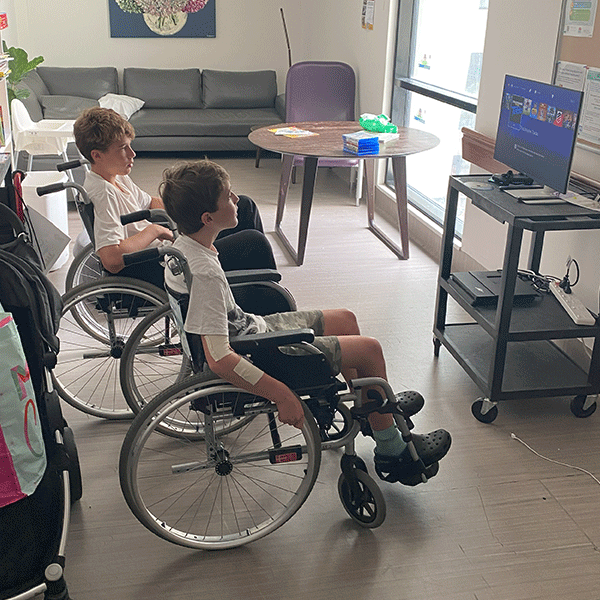
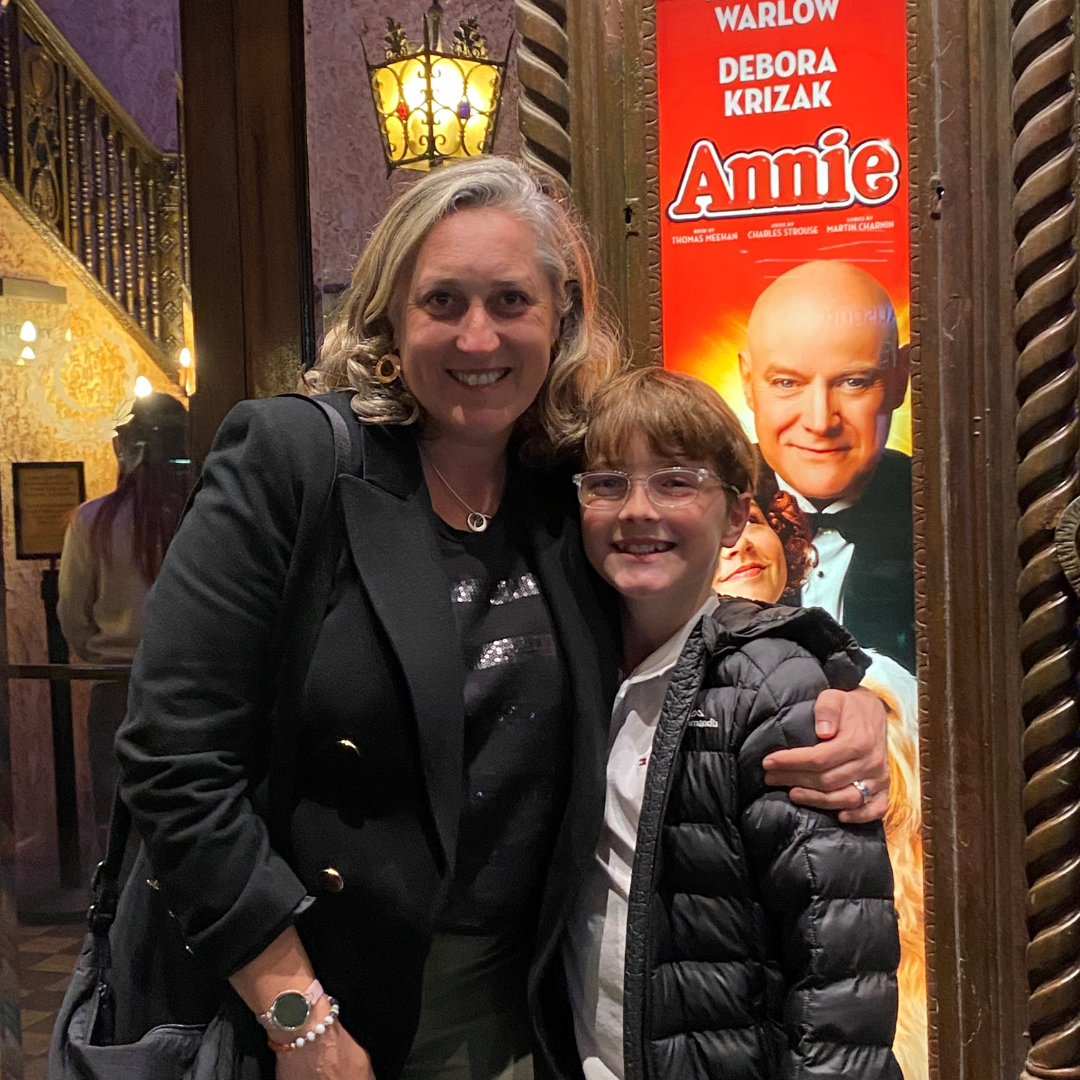
Today, Sam is now in high school and continuing his targeted therapy. He has quarterly tests and scans at the hospital and sees an ophthalmologist regularly to check his eyes.
‘He’s in a good place without any side effects,’ says Katie. ‘He could be on chemo now, so we’re thankful the medication seems to be working. The biggest issue is that he’s pretty much caught every bug.’
‘He takes five tablets in the morning and two tablets at night. It’s just oral medication …the tricky bit is that he’s got to fast around them. But these are not hard problems to have. It’s a very low imposition on his daily life, really.’
Sam has just been so lucky
- Katie, Sam's Mum
Sam will need to continue the targeted therapy for at least two years. In the meantime, a clinical trial testing how best to end this same type of therapy happens to be underway.
‘By the time Sam finishes his two-year term, that trial will have finished, so they'll have a better idea of how to transition off the medication,’ explains Katie. ‘Again, Sam has just been so lucky.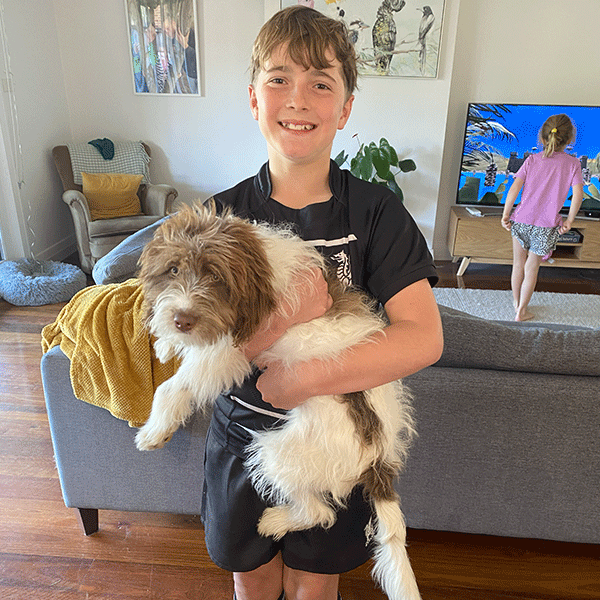
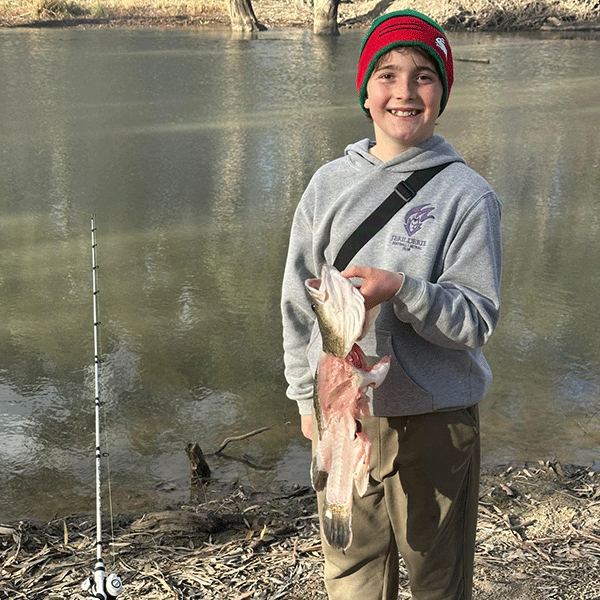
Reflections
Katie says she feels very grateful that Sam was able to enrol on ZERO – something that would not have been possible just a year before, when only children with high-risk cancers were eligible to join.
‘Had it not been for ZERO, we wouldn’t know that this treatment is available for Sam. And we would have just gone straight to chemotherapy, which was the standard form of treatment used for this kind of brain tumour.’
‘I just feel so grateful that someone has done the work and that we're able to benefit from all of this amazing research.’
Had it not been for ZERO, we wouldn’t know that this treatment is available for Sam
- Katie, Sam's Mum
How you can help

Give a gift
By giving a gift today, you can make a difference to the lives of children with cancer.

Fundraising and events
Get involved in one of our events or create your own to help find better, safer treatments for children with cancer.

Partnerships
Join our diverse community of businesses, philanthropists and gamechangers, determined to help cure childhood cancer.
Share your story
Have you been touched by childhood cancer and would like to share your story? Please get in touch today.


