
Will he still be him? That's the fear I carry every day.
-Katie, Kyan's Mum
Born with a brain malformation that required surgery, Kyan had not had an easy start to life. Then, at nine years of age, he was diagnosed with an extremely rare brain cancer.
Pre-diagnosis
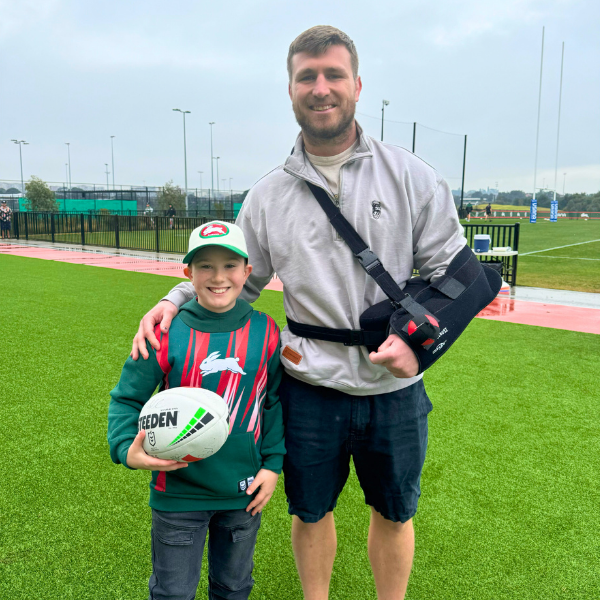
Kyan was a happy and active 8-year-old boy. A huge sports fan, he loved playing soccer, and watching his favourite NRL team, the South Sydney Rabbitohs.
‘Life for our family was much like any other,’ says Katie, Kyan’s mum.
‘Kyan was an amazing big brother to his sisters, Remi and Ever. He loved school, riding his bike, and spending hours running around with his friends. He also had a creative side, spending quiet moments on his iPad playing games, or drawing and writing.’
Kyan had been born with Chiari malformation (a condition where part of the brain extends into the spinal canal) and undergone brain surgery before he turned four.
Now he was about to face another major challenge
Symptoms
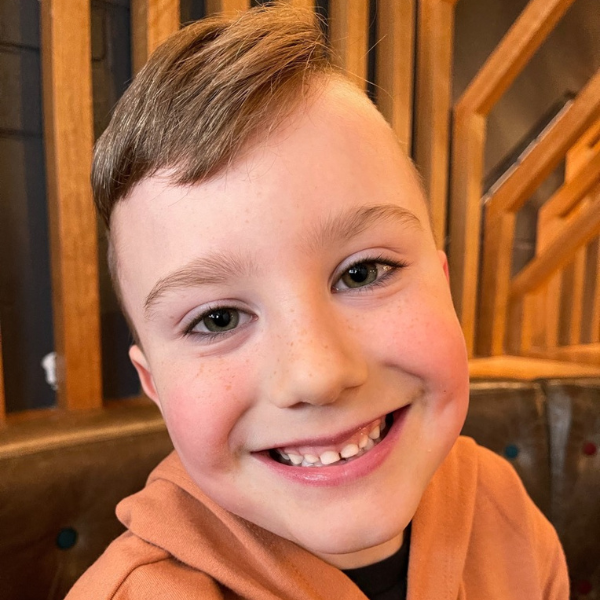
For almost three years after his brain surgery, Kyan lived a normal life. But then one of his symptoms came back: daily headaches.
This prompted Katie to take him to hospital, where an MRI was done. Two masses were found in Kyan’s brain, which a PET scan confirmed were tumours.
‘They weren’t typical tumours, says Katie. ‘They didn’t look anything like what the team had seen before.’
For 18 months, Kyan had regular scans. The scans showed the tumours were developing and moving, but because they didn’t match the appearance of any known tumour, the doctors recommended against surgery.
What if it's cancer, and we're watching it slowly take over his brain?
- Katie, Kyan's Mum
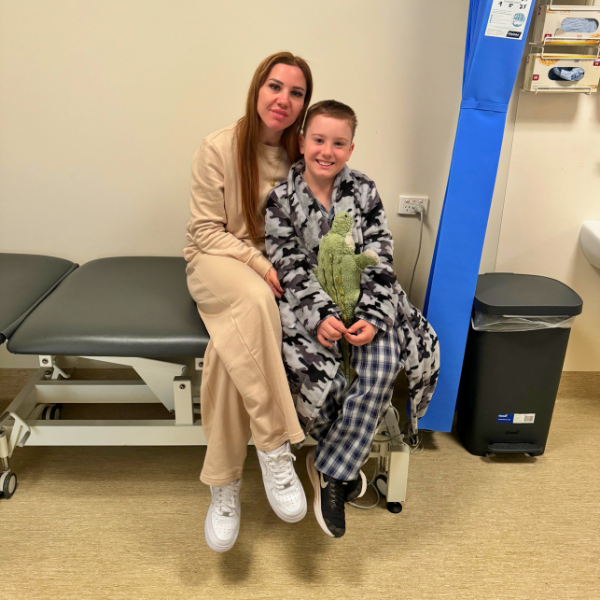
‘I remember coming home after the fourth MRI and breaking down,’ shares Katie. ‘I said to my husband: What if this is something so rare they just haven't seen it before? What if it's cancer, and we're just watching it slowly take over his brain?’
Katie found a support group for the parents of kids with brain tumours, and a neurosurgeon was recommended to her. From the first visit, everything changed.
‘Within minutes, I knew we were finally in the right hands,’ she shares. ‘She said something that stuck with me: Knowledge is power. If we don’t know what these tumours are, how can we sit back and watch them grow? Let’s find out.’
Diagnosis
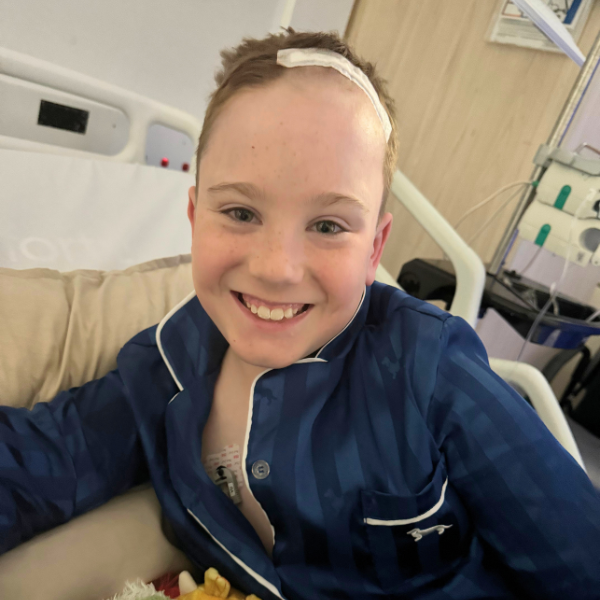
At nine years of age, Kyan had his second brain surgery — this time to take a biopsy of the tumour that was causing most concern, located in his left frontal lobe.
It was at this point that Kyan was enrolled on the Zero Childhood Cancer Program (ZERO) for comprehensive genomic analysis.
Katie says that after the surgery, the neurosurgeon said something that still haunts her.
‘She said: When I opened his brain, I couldn't tell where the tumour ended and the brain began. It looked like milk spilled on a white rug.’
Kyan was the youngest person in the world ever diagnosed with IDH-mutant oligodendroglioma.
- Katie, Kyan's Mum
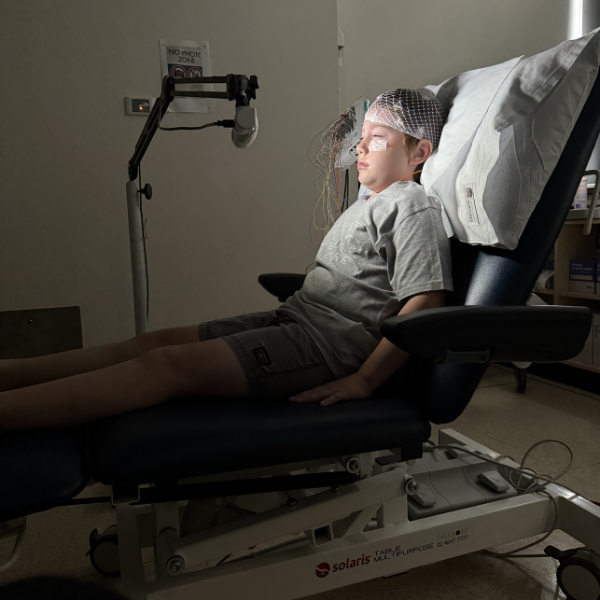
Despite the difficulty, a biopsy was taken and sent for analysis. Weeks later, Katie received an email to say she had an appointment scheduled with an oncologist. Her heart sank.
Kyan had been diagnosed with an extremely rare brain tumour: IDH-mutant oligodendroglioma, grade 2, which is almost always found in adults.
‘Kyan was the youngest person in the world ever diagnosed with IDH-mutant oligodendroglioma,’ Katie says. ‘His oncologist and neurosurgeon were honest with us, telling us they had no paediatric protocol for this.’
Treatment
In adults, the approach would be to surgically remove as much tumour as possible, then use a medication to help separate what's left from healthy brain tissue before starting chemotherapy and radiation.
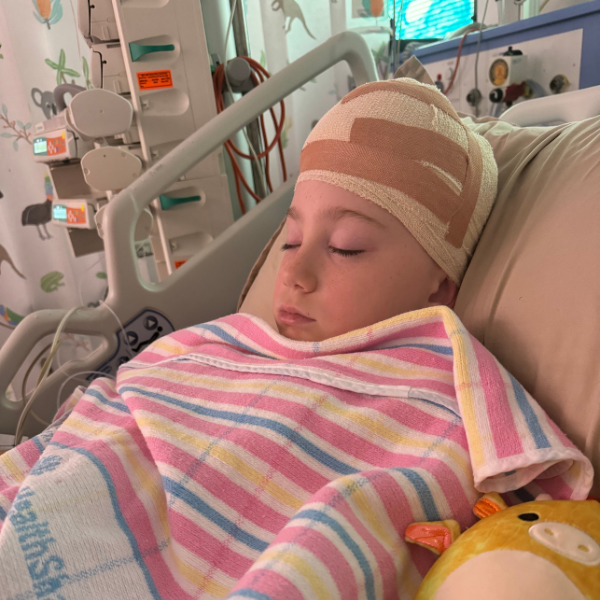
But that medication wasn't approved for children. The only treatment option Kyan had was a third brain surgery.
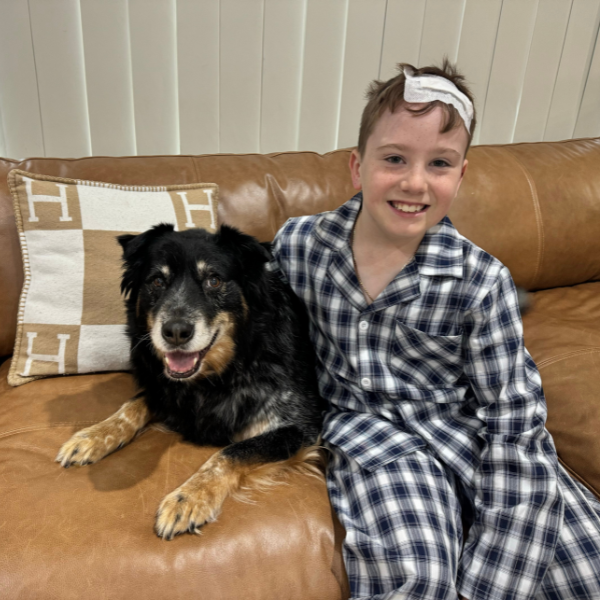
Katie says when she saw the MRI done after the surgery, it showed a black hole where the tumour had been.
‘I’d known my son had cancer, and there was a tumour inside his brain. But seeing that empty space on the scan... it felt different. It felt like a piece of me had been removed.’
Waiting
A new phase of waiting began. Kyan had a brain scan every three months, each scan showing slight changes. With the tumour slowly but surely progressing, a decision was made to schedule in a fourth brain surgery for January 2026.
In the meantime, the family took the opportunity to take Kyan on a Make-A-Wish trip to Cairns.
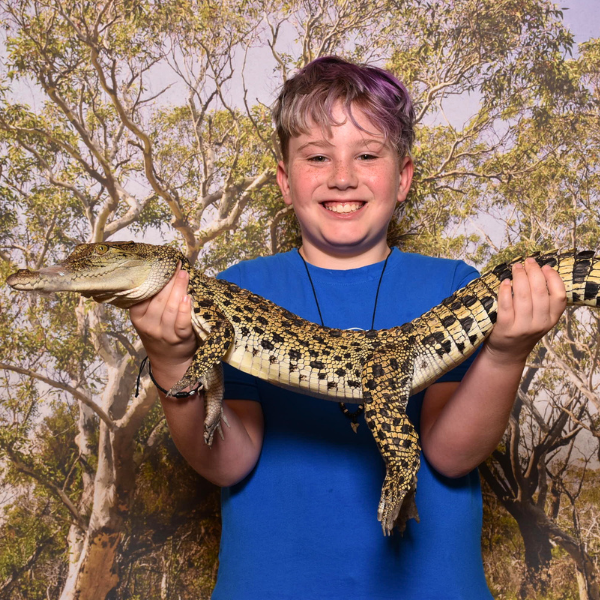
'Kyan's Make-A-Wish was nothing short of incredible,' Katie shares. 'He held two baby crocodiles, spotted wild ones, and even got up close to a few salties! The highlight was feeding three freshwater crocs all on his own.’
‘He was absolutely beaming, and my heart couldn't have been fuller.'
But it was bittersweet. This amazing trip of a lifetime made what lay ahead feel even more real.
More treatment
Kyan's fourth surgery, performed in January 2026, aimed to remove the entire left frontal lobe of his brain. By removing the lobe while carefully sparing areas like speech receptors, the surgeon hoped to stop the tumour from spreading to deeper, more dangerous parts of the brain.
Kyan’s neurosurgeon removed as much as they safely could, also taking biopsies from multiple angles to get the clearest possible picture of what they were dealing with. The results would take around six weeks to come back. Until then, the family waited.
When the pathology results finally arrived, Katie described them as 'by far the best we could have asked for.'
Kyan's tumour was unchanged. There had been no progression. And the results confirmed something the team had hoped: the biopsy taken during his third surgery had done exactly what it was meant to - by preventing the tumour from growing deeper, it had redirected the cancer into a more accessible area of the brain.
Kyan's oncologist also agreed to hold off on operating on the second tumour. Sitting deeper in the brain and attached to a vein, surgery on it carries real risk to Kyan's physical function. Because it remains stable, protecting his quality of life takes priority.
I'll never stop believing that we'll get through this. Together.
- Katie, Kyan's Mum
The future
For now, Kyan will continue having MRI scans every three months, with his team reviewing each one carefully.
Katie is clear-eyed about what 'doing well' means for a child living with this diagnosis. Kyan's IDH-mutant oligodendroglioma is a chronic, infiltrative brain cancer - surgery cannot remove all cancer cells, and recurrence or progression remains likely. He is the youngest person in the world ever diagnosed with this type of tumour, and the team continues to monitor him closely, waiting to confirm whether it remains low grade or begins to progress.
But for the first time in a long time, the family has been given something precious: time.
'The big black cloud over his head has finally turned grey,' says Katie. 'And grey is a relief.'
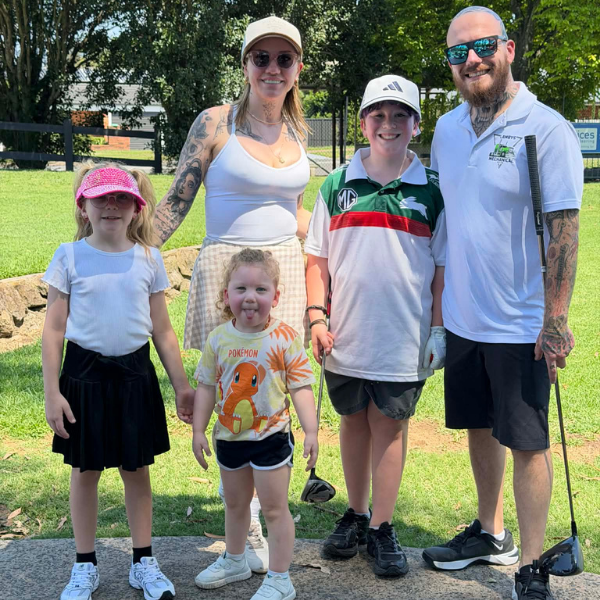
Kyan is ten years old. For now, he gets to be exactly that.
'We know he still has a huge battle to come,' Katie says. 'But at least now he can enjoy being ten. We know we have time.'
How you can help

Give a gift
By giving a gift today, you can make a difference to the lives of children with cancer.

Fundraising and events
Get involved in one of our events or create your own to help find better, safer treatments for children with cancer.

Partnerships
Join our diverse community of businesses, philanthropists and gamechangers, determined to help cure childhood cancer.
Share your story
Have you been touched by childhood cancer and would like to share your story? Please get in touch today.


