Words cannot fully describe the pain that comes with losing your own child. It is a deep and harrowing grief that no parent should ever have to endure.
-B.J., Emily's Dad
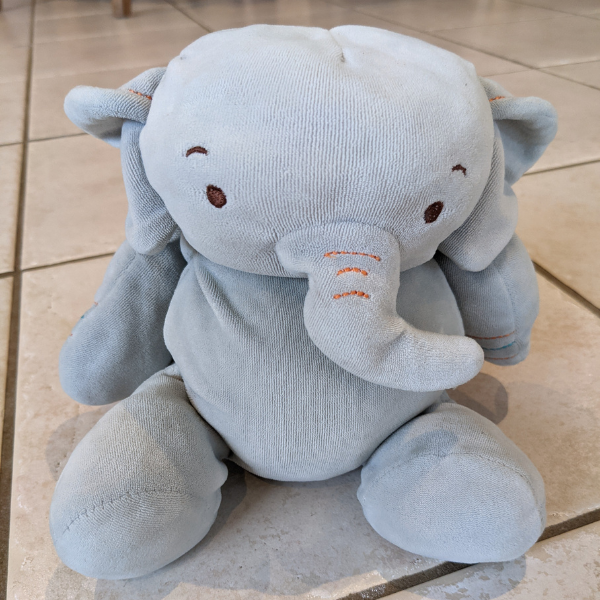
Emily was a funny, gentle and brave little girl who did things her own way. Shy with strangers but never short of opinions with the people she loved, she stood out from the crowd in the best possible way. Wherever she went, Emily took her favourite toy elephant, Ellie.
Life before cancer
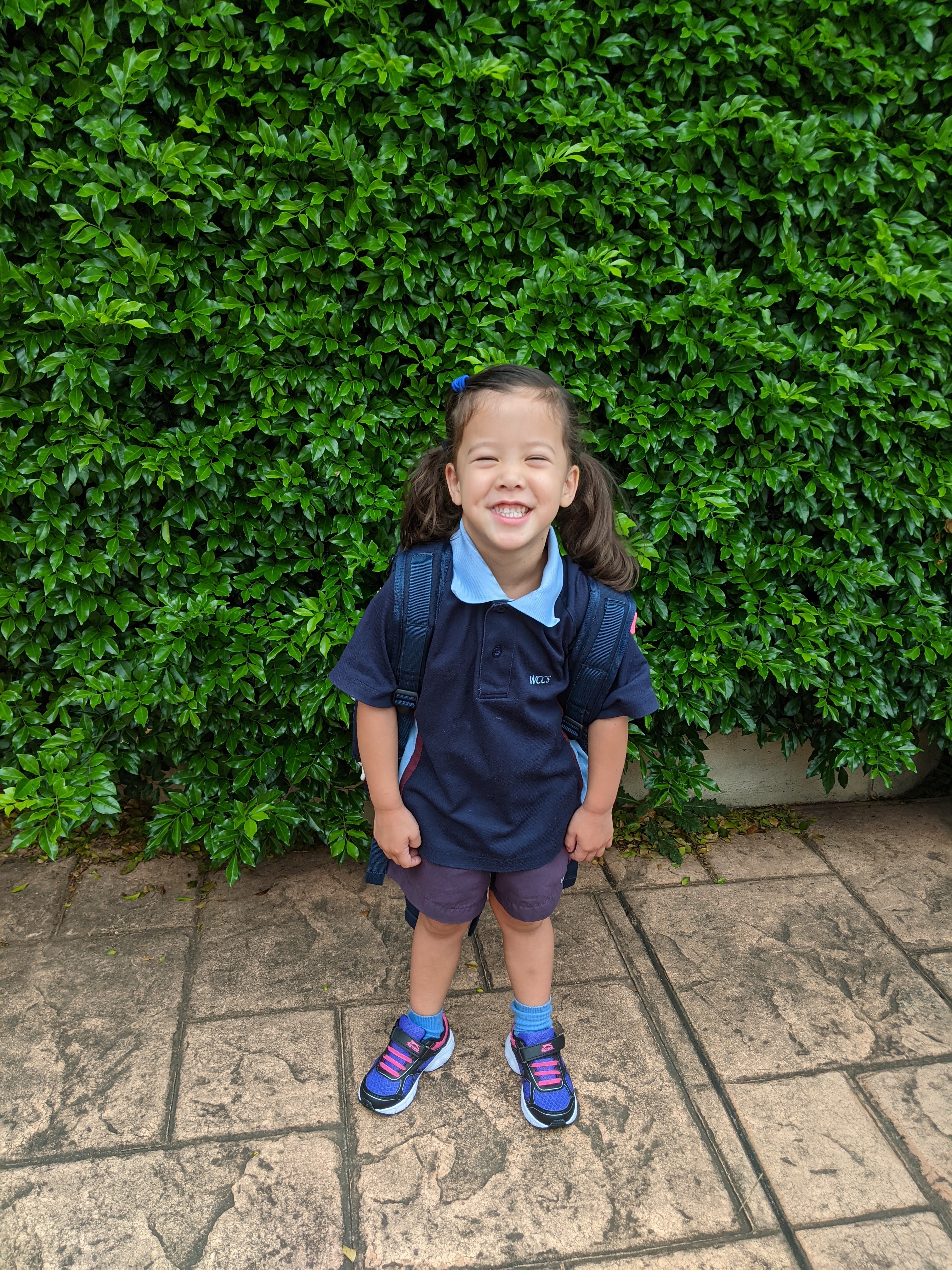
Emily was four years old and enjoying preschool, and life was full of possibility. At home, she could often be found in the garage with the craft box, busy making something - sometimes for herself, sometimes as a surprise for someone she loved.
She was quirky and funny, and entirely her own person. While other kids her age were swept up in Frozen and the colour pink, Emily was captivated by elephants, and her favourite colours were grey and yellow.
It was 2021 and Australia was emerging from its second COVID lockdown. Emily’s mum, Heather, had stepped back from work as an occupational therapist while her husband B.J. was a doctor who worked on frontline COVID wards. In hindsight, Heather says those months at home with all three girls were golden.
"My phone is full of photos of us going to the park together, doing bushcraft, painting the fence, baking," Heather recalls. "In hindsight, I would not change anything."
Looking back, COVID lockdown was the golden times. I had my three girls all together for four months and what a blessing.
- Heather, Emily's Mum
Symptoms
In late 2021, Emily began to change. The first signs were easy to miss: poor balance and increased fatigue, and what Heather initially thought might be car sickness or the stress of returning to school after lockdown. On Emily's first day back, her teacher rang to say she had fallen asleep at her desk.
When Heather tried to teach Emily to ride a bike without training wheels, she noticed Emily had poor core strength. Sensing something was wrong, she booked an appointment with an optometrist and the GP.
Then just two days later, Emily began vomiting uncontrollably. Heather drove her straight to the children's hospital. Doctors initially thought it could be a virus, but the next day, an MRI confirmed her worst fears.
Diagnosis
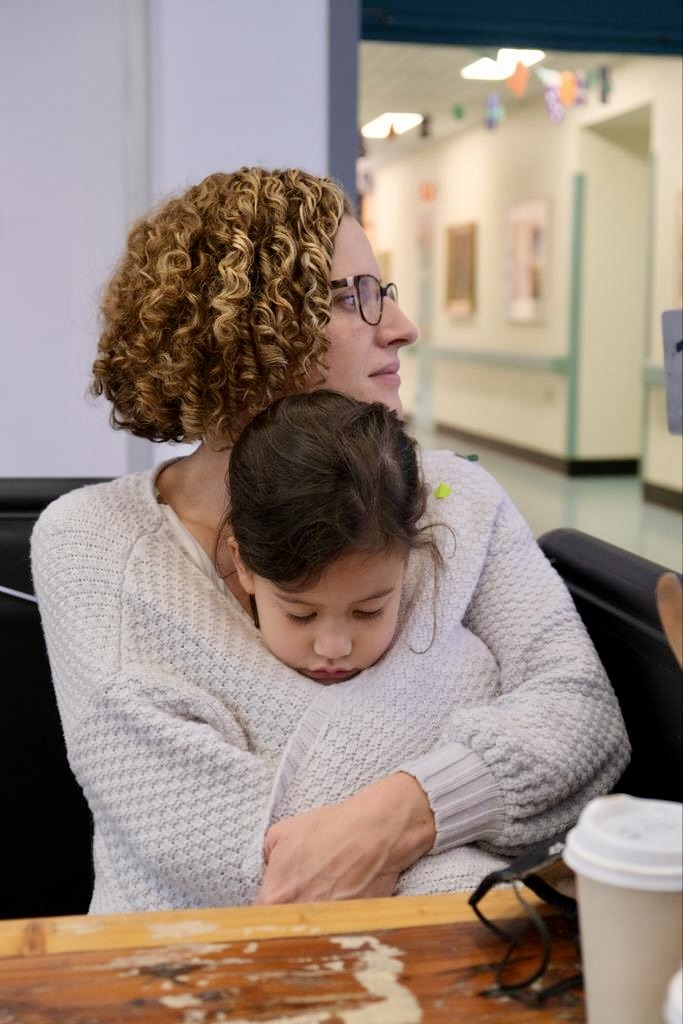
Emily was diagnosed with diffuse intrinsic pontine glioma, or DIPG, a highly aggressive brain tumour belonging to a group of cancers called diffuse midline gliomas (DMG). The deadliest of all childhood cancers, DIPG grows in the brainstem and has no effective treatment. Emily was given six to nine months to live.
Heather walked into the room to find B.J. in tears, his medical colleagues having just broken the news to him.
"You go into shock," she says. "It's a very out-of-body experience. They told me, 'She has six to nine months,' and then they kept talking, but at that point you can't take anything else in."
Within days, Emily had emergency surgery to relieve the pressure the tumour was placing on her brain, and she was then rushed into daily radiotherapy for six weeks. The pace was relentless.
"It was bang, bang, bang," Heather says. "Rapid-fire consents, and conversations like, 'You should take a photo with your daughter now, because this is the last time she'll have a full head of hair.' We were like, ‘is this really happening?’"
B.J. who as a doctor, immediately understood what the diagnosis meant, described it as a nightmare slowly unfolding. "At the start, the tumour robbed Emily of her smile, which was heartbreaking to see. Eventually, it also took her ability to walk, speak, hear and even swallow."
The tumour robbed Emily of her smile. Eventually, it also took her ability to walk, speak, hear and even swallow.
- B.J., Emily's Dad
Treatment
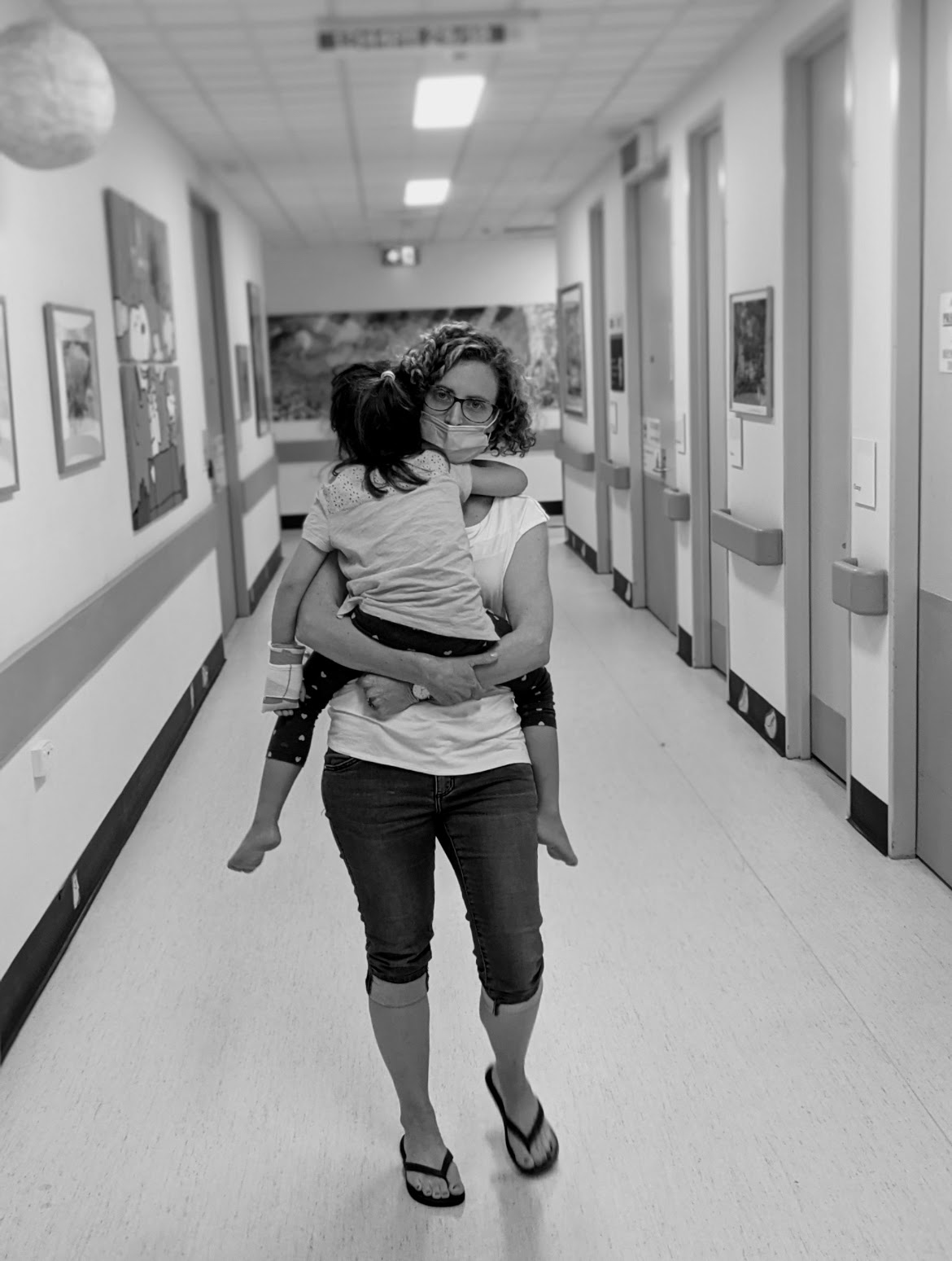
Emily endured 30 sessions of daily radiotherapy - a palliative therapy given to temporarily stabilise symptoms - with each session requiring a general anaesthetic.
Emily hated hospital and was clear about it from the start. She told her parents to instruct every doctor and nurse: they were only to speak to Heather and B.J., not to her. "It was a big grind for her," Heather says. "But we got through it."
"Then we waited, enjoying what time we could, making special memories together."
During Emily's final months, her family treasured every moment. One of Emily's bucket list items was to visit a lighthouse and climb to the top; a wish her family were able to fulfil, thanks to the efforts of their sister-in-law Karen.
In Emily’s final weeks, she developed locked-in syndrome. This meant Emily was completely paralysed but still aware of everything around her. Her family communicated with her using a picture card, with Emily blinking to indicate yes or no.
Emily passed away at home on 24 May 2022, seven months after her diagnosis. She was five years old.
"Nothing can prepare you for that," Heather says quietly. "But we did not let her be alone in any of it. Being present, loving her; that was the whole meaning of our lives."
When a child dies, it's basically like a bomb goes off in your family and then you've got to keep living. I felt like someone had taken out all my internal organs and then asked me to keep on functioning. I felt completely hollowed out.
- Heather, Emily's Mum
Emily's legacy
To this day, Emily's family still carry Ellie, Emily's beloved toy elephant, on every family holiday in her memory. They also talk about her every single day.
Determined to turn their heartbreak into hope, the family channels their grief into action. In March 2022, Emily's uncle Matthew Barnes founded the inaugural Ride for Em - a 500km cycling challenge that raised almost $50,000 for DIPG research. Then in October 2023, Emily's father and 11 other riders took on an even greater challenge: cycling from Mt Kosciuszko to Wollongong over six days, raising over $123,000.
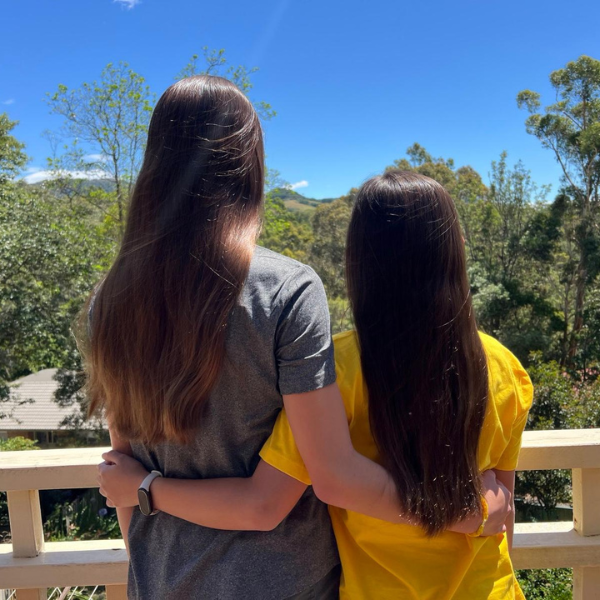
Emily's sisters have also found their own way to honour her. In late 2024, the girls grew their hair and then cut it, raising $5,515 for Children's Cancer Institute - a fundraiser they conceived and organised largely themselves. It was their tribute to their little sister, and a reminder that even small acts of love can make a real difference.
All funds raised go towards Levi's Catch - an Australian-first clinical trial and the most promising hope for children with DIPG in generations. The trial is based on an exciting immunotherapy called CAR T-cell therapy, which involves taking a child's own white blood cells, genetically engineering them to target DIPG cells, and infusing them back into the child to seek out and destroy their cancer.

We can't change what's happened to our family, but we can do everything we can to make a difference to other children diagnosed with DIPG.
- Heather, Emily's Mum
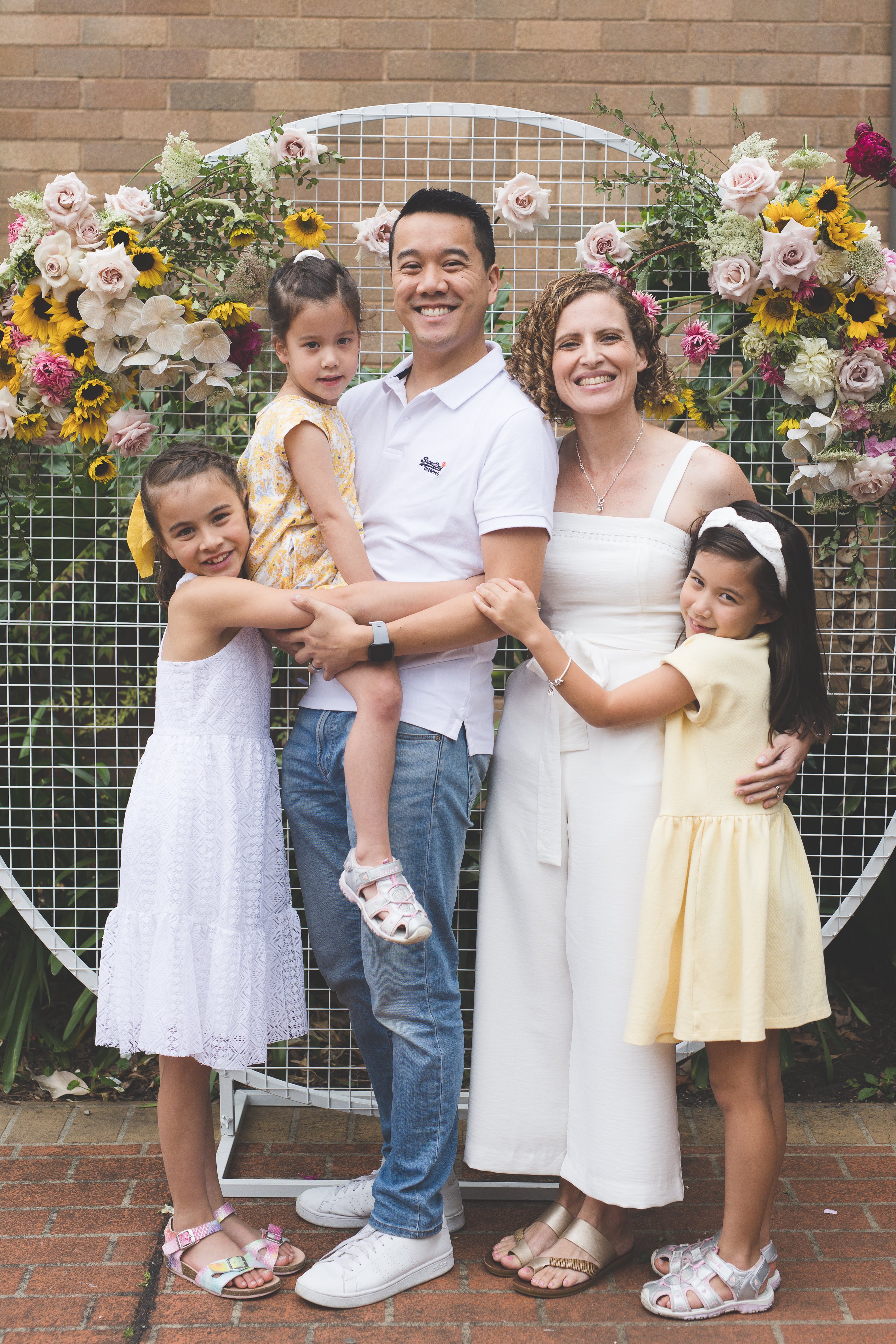
When Heather told her daughters about the research being done at Children's Cancer Institute, they were glad that families in the future could benefit. But one of Emily's sisters said it plainly: "Where was that when Emily was here?"
"It's always happy/sad," Heather says. "We tell Emily's story so that people invest in a cure. The five years she was with us were the best years of our lives. The life we build now is the best we can do with what we've got, and we try to honour her."
What gives Heather hope is the story of leukaemia: once an overwhelming death sentence, now so often survivable. She believes the same can be true for DIPG.
"I would hate for another family to go through this unnecessarily. The Institute's research is a great way forward: more hope, more time, to keep families together."
Emily's legacy is helping change what it means to receive a DIPG diagnosis. Her family's hope is that one day, no parent will ever again be told to simply go home and make memories.
Heather is a bereaved mother, occupational therapist, researcher, and founder of The Spirit of Care, dedicated to integrating spirituality into holistic healthcare practice.
How you can help

Give a gift
By giving a gift today, you can make a difference to the lives of children with cancer.

Fundraising and events
Get involved in one of our events or create your own to help find better, safer treatments for children with cancer.

Partnerships
Join our diverse community of businesses, philanthropists and gamechangers, determined to help cure childhood cancer.
Share your story
Have you been touched by childhood cancer and would like to share your story? Please get in touch today.


