Australian researchers working on deadly brain tumours mainly affecting children – diffuse midline gliomas (DMG) – have identified a potential new therapeutic strategy for the treatment of these currently incurable cancers.
A collaboration between Children’s Cancer Institute and University of Sydney, recently published in the international journal Cell Death and Disease, the study focused on a new area of biology which until now has been largely unexplored in DMG, known as ‘epi-transcriptomics’.
This deals with chemical modifications made to the mRNA in a cell, which affect how the cell’s genes are expressed (switched on and off) and therefore how the cell behaves. Because these chemical changes are reversible, they offer an exciting opportunity for therapeutic intervention.
"This is the first time the epi-transcriptome has been investigated in DMG," said Dr Holly Holliday, Senior Research Officer, Brain Tumour Group at Children’s Cancer Institute, and co-first author on the study. "Epigenetic modifications to DNA are well known to play a crucial role in cancer, but this discovery shows that modifications to mRNA may also be very important."
Co-lead author Dr Samuel Ross from the University of Sydney said: "This is the first time RNA modifications have been explored in DMG, and we’ve found they’re crucial for the survival of these cancer cells.
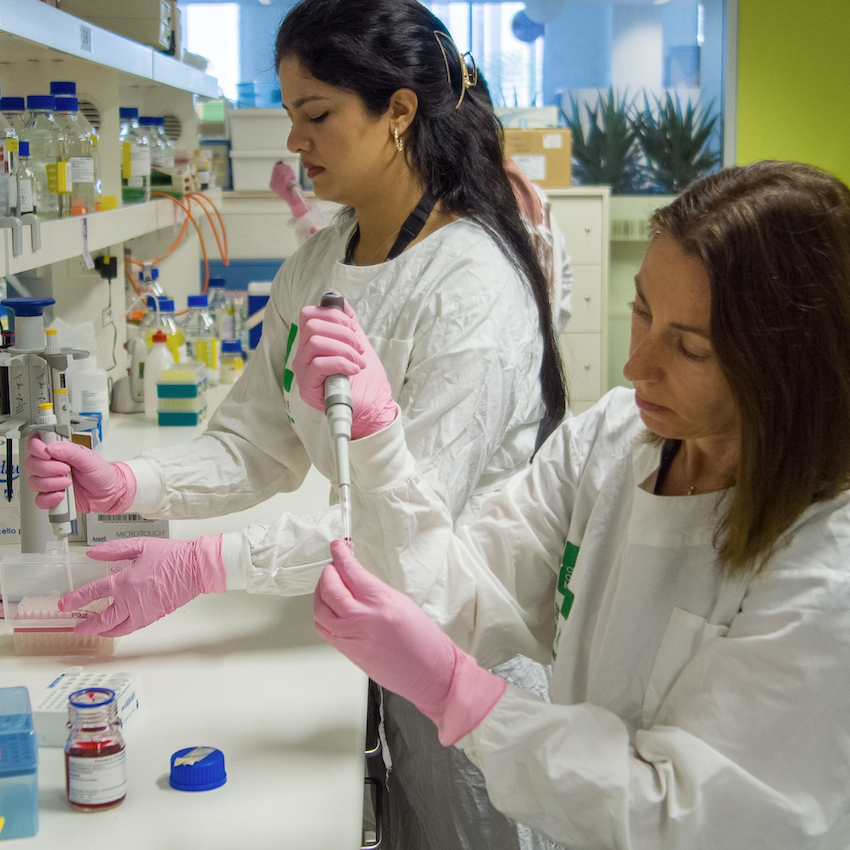
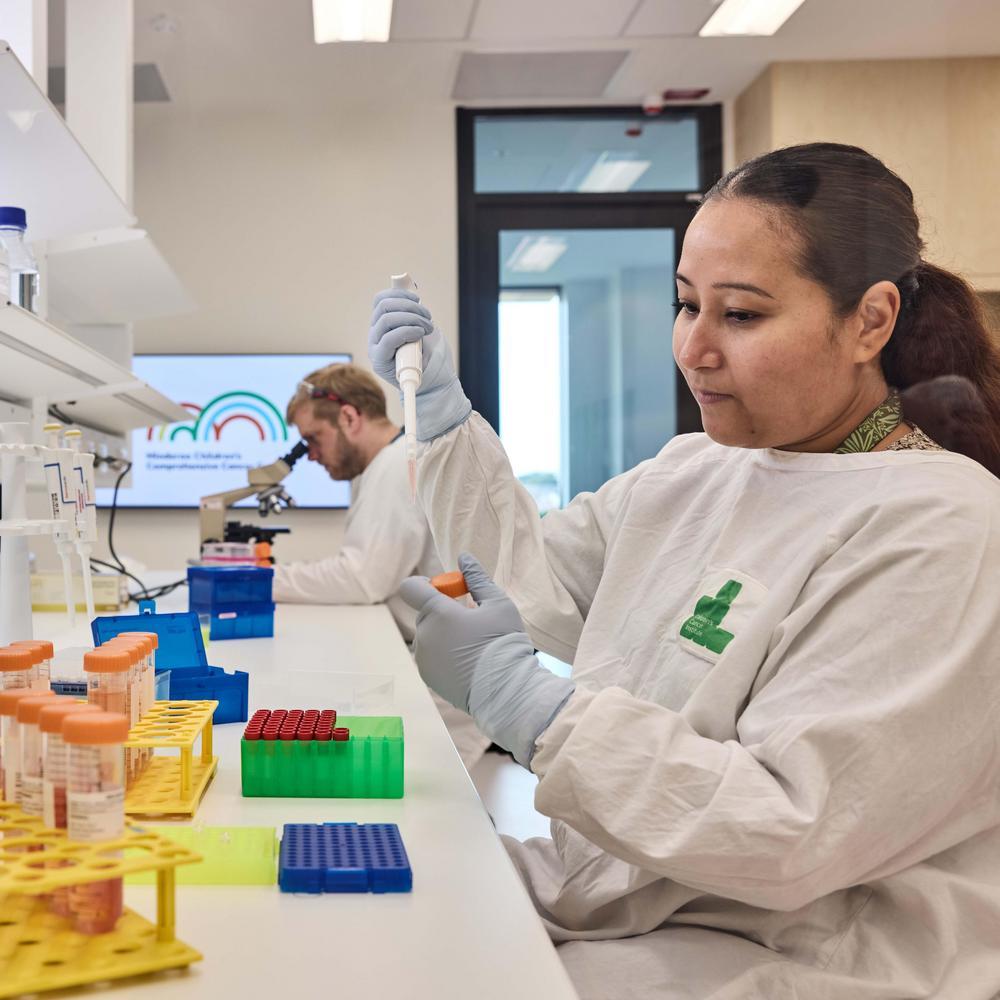
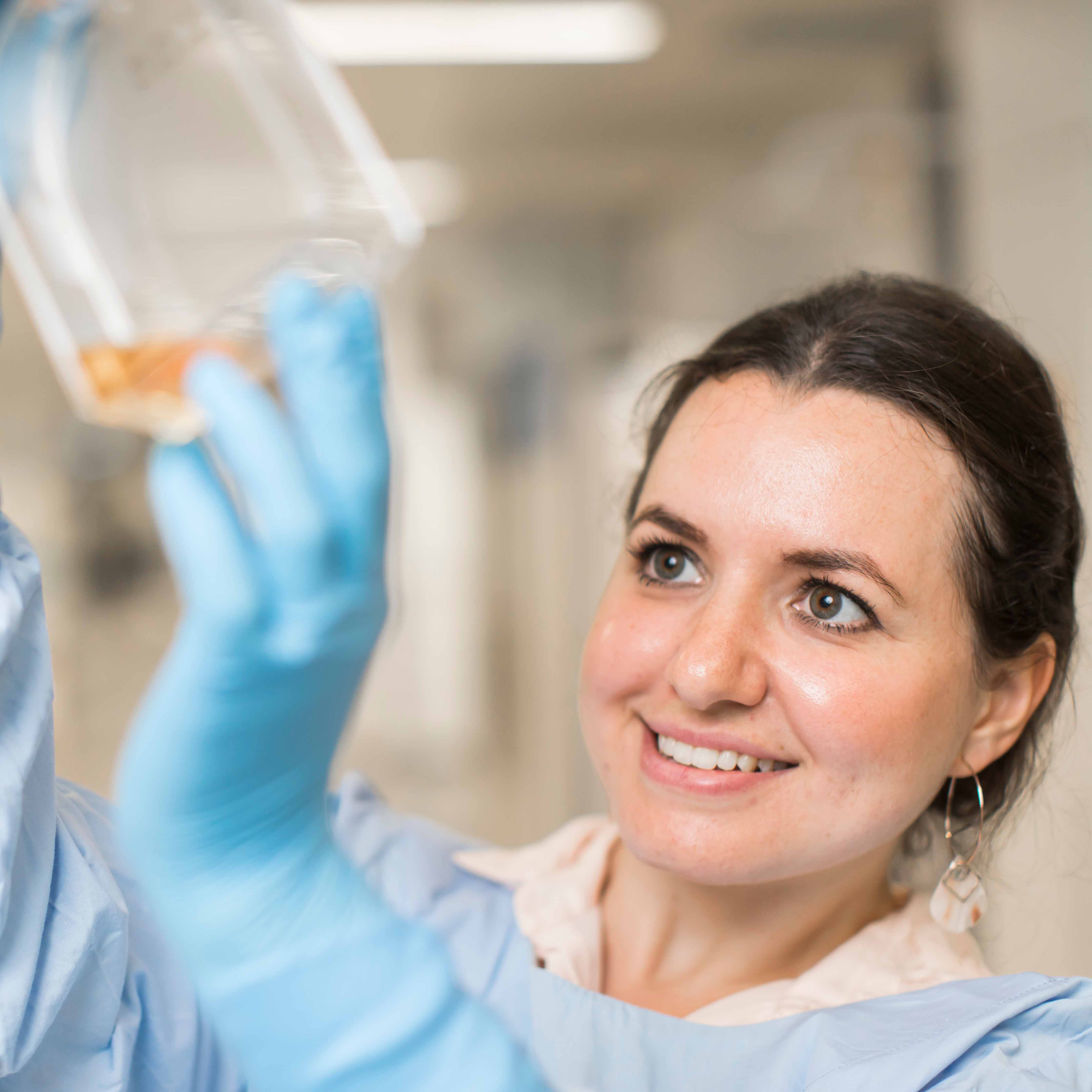
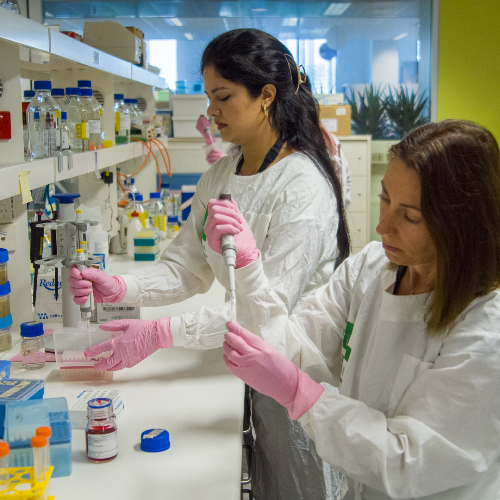
Using cells derived from children with DMG and grown in the laboratory, the researchers studied a common mRNA modification, known as RNA N6-methyladenosine (m6A), finding that levels of m6A in the children’s DMG cells were significantly higher than in their normal cells. In particular, m6A levels were high in mRNA that helps the cancer cell infiltrate the normal brain tissue. These findings strongly suggest that m6A plays a critical role in the formation of DMG tumours.
Excitingly, the researchers were also able to show that DMG cells were sensitive to a type of treatment called FTO inhibition, with treated DMG cultures showing significantly decreased growth as well as reduced cell survival.
"These findings not only advance our understanding of DMG, highlighting mRNA methylation for the first time as a critical regulator of DMG tumorigenicity, but very importantly they also identify new therapeutic targets," said Professor David Ziegler, Group Leader of the Brain Tumour Group at Children’s Cancer Institute, Senior Specialist in the Kids Cancer Centre at Sydney Children’s Hospital, and co-senior author on the study.
"With further work yielding similarly promising results, this could ultimately lead to a new treatment for this cancer, which is desperately needed."
Professor Marcel Dinger, Dean of Science at the University of Sydney and joint corresponding author, said: "This study is a great example of what can happen when disease-focused expertise and genomics come together.
In-press early access to the study: https://www.nature.com/articles/s41419-026-08647-8