Overview
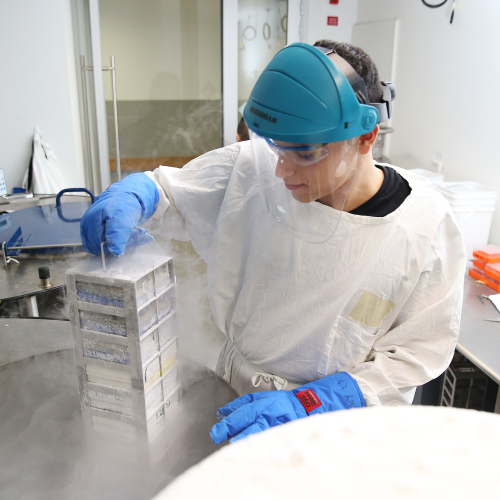
Our five Enabling Platforms underpin and build research capability across the Institute. They are designed to provide researchers with facilitated access to new technologies, resources and capabilities, and to drive collaboration across our three Research Themes.
Enabling Platforms
Bioinformatics
This Platform is our researchers’ gateway to bioinformatic support, education, tools and resources across the Institute, sharing knowledge, addressing challenges and further building expertise.
The goal of the Bioinformatics Platform is to facilitate access to research computing infrastructure, analysis pipelines, shared data resources and user-friendly analysis tools through a new centralised repository, empowering researchers to analyse their own data, develop new skills and accelerate discovery.
Our User Group meets quarterly. Attendance is not limited to bioinformaticians, computational biologists or software engineers, rather everyone is welcome. Students and any wet-lab researchers who are interested in expanding their skillsets, or increasing their understanding of how bioinformatics can benefit their research, are encouraged to attend.
Chair and Acting Lead: Chelsea Mayoh
Immuno-Oncology
This Platform establishes immuno-oncology as a major new research capability of the Institute.
It plays a pivotal role in facilitating the exchange of knowledge, fostering collaborations among researchers and external academic groups, service providers and industry partners to identify access to leading technology and infrastructure.
The Immuno-oncology Platform works closely with the other enabling platforms to identify the best experimental models and systems and establish the necessary research and analysis capabilities within the Institute.
Co-Chairs: Dr Klaartje Somers and Dr Ernest Moles Meler
Technology Innovation
This Platform is responsible for creating advanced research capabilities through the adoption, adaptation and/or development of new molecular, cytometric, and physical devices at the Institute. Examples include 3D bioprinting, single cell analysis, advanced flow cytometry and spatial transcriptomics.
The goal of this Platform is to increase access and enable wider adoption of these novel technologies, and to inform, advise, and educate researchers on how to most effectively use them. It offers technical and scientific guidance, supports grant development (including pilot data generation), and helps foster new academic and industry partnerships and collaborations.
This platform works closely with all other Enabling Platforms to develop and implement workflows and share resources so that cellular and genomic data can be rapidly turned into research and clinical outputs. Importantly, the platform is not intended to operate as a core service; instead, it enables and drives innovative research through collaboration, technology development and by building strong academic and industry networks.
Platform Chair: Dr Charley De Bock
Platform Lead: Rob Salomon
High Throughput Screening
This Platform provides expertise, resources and support for researchers to access automated robotic systems and high throughput platforms for the acquisition and analysis of complex, information-rich functional data.
The Platform’s goal is to promote the uptake of high throughput functional and screening technologies by providing education programs and user training, and facilitating new internal and external collaborations with researchers, clinicians and commercial partners.
The User Group meets quarterly, and welcomes anyone who is enthusiastic about new and emerging functional high-throughput technologies, or who wishes to learn more about how they can be used in their research programs.
Platform Lead and Acting Chair: Dr Tim Failes
Bioresources and Data
This Platform is our researchers’ gateway to Institute-wide research assets, including patient samples, highly characterised laboratory models and their multi-omics and clinical datasets.
The goal of this Platform is to strengthen and integrate bioresources and data, and to make them visible, sharable, and accessible as a foundation for new scientific discovery, innovation and collaboration.
The User Group consists of researchers and operations staff from ZERO, Bioinformatics, Computational Biology, Animal Facility, Tumour Bank, and Liquid Biopsy research groups.
Data Platform Chair: Dr Marie Wong- Erasmus
Bioresources Platform Co-Chairs: Dr Angela Xie and Dr Andrew Gifford
Bioresources Platform Lead: Roie O’Brien
News & blogs
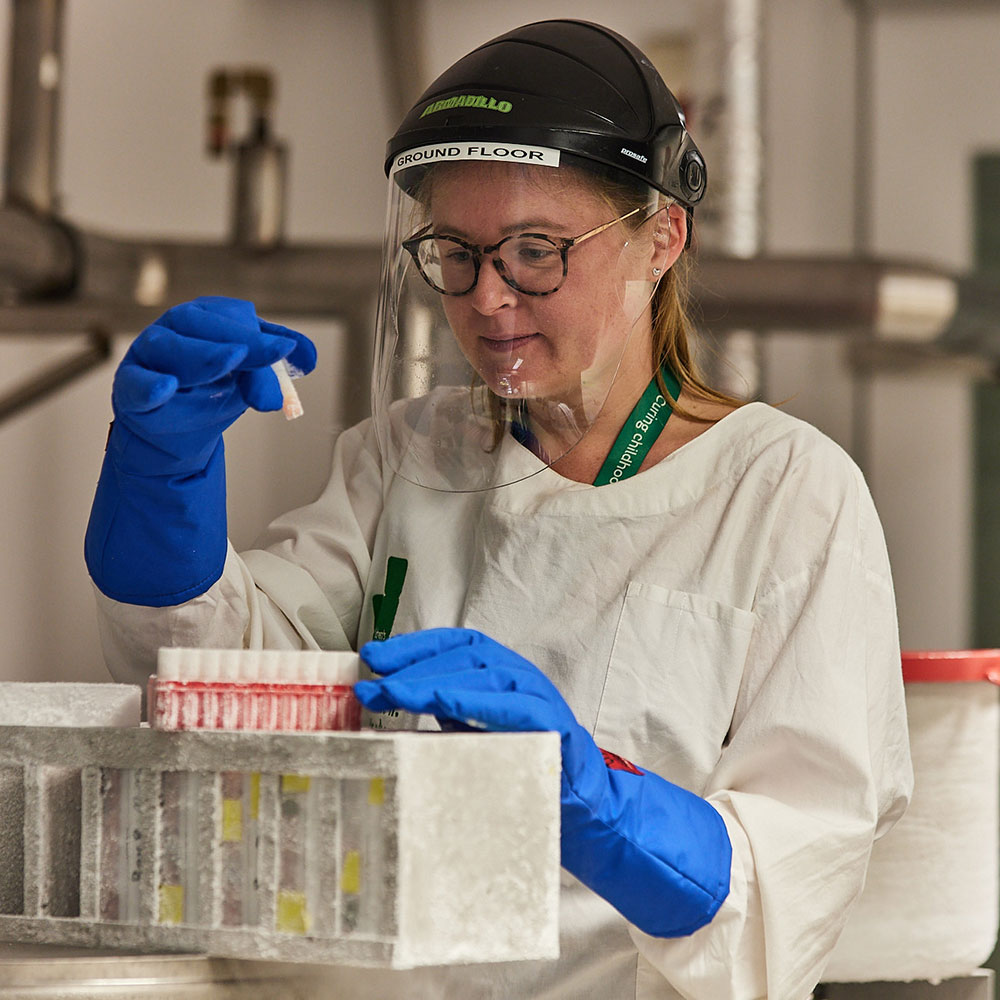
Researchers find new genetic target in childhood cancer
Professor David Ziegler elected fellow of the Australian Aca...
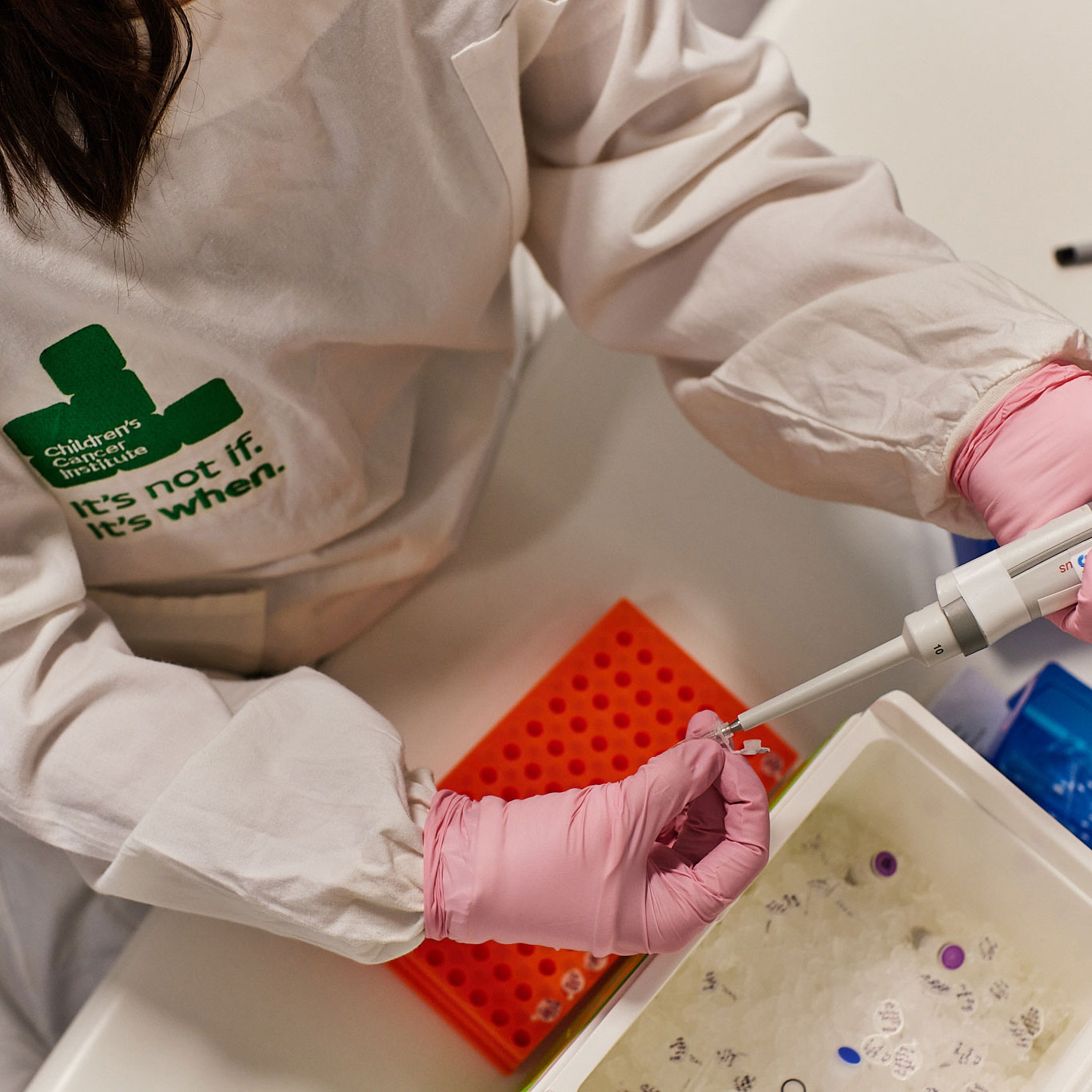
Zebrafish models offer fast and effective guidance for perso...